Langeweile


Ab und zu, wenn mein Leben zu hektisch ist, wünsche ich mir ein paar Stunden Langeweile. Wie so oft ist es ein sehr platonischer Wunsch, den ich eigentlich gar nicht meine, weil Langeweile finde ich schrecklich.
Ich erinnere mich, dass meine letzte Langeweile irgendwann im Sommer lag, als es drei Wochen ununterbrochen geregnet hat und wir nicht draussen spielen konnten. Ich war damals ein Kind und digitale Unterhaltung gab es noch nicht.
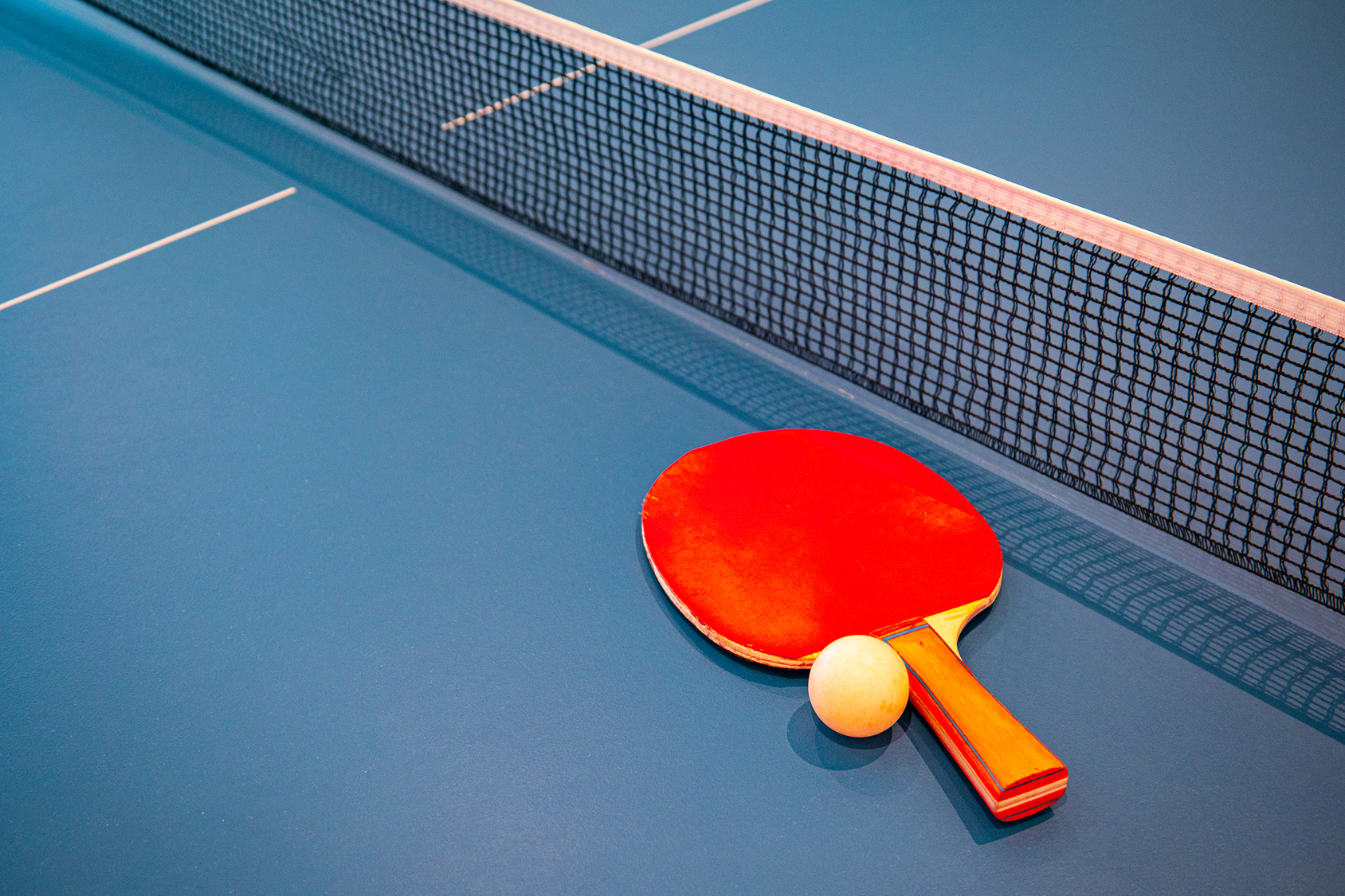
Der Regen hat mir damals nichts ausgemacht, weil wir uns mit den Nachbarjungen auf unserem Dachboden einen provisorischen Tischtennistisch mit Hilfe meines Vaters gebaut hatten. Es waren zwei Holzplatten, die mein Vater nicht mehr brauchte, die auf einem Gartentisch und einer alten Nähmaschine befestigt waren. Diese Holzplatten waren kürzer und schmaler als ein normaler Tischtennistisch, aber das hat uns nicht gestört. Wir fühlten uns wie Profis im Trainingslager. Wir spielten von morgens bis abends, unterbrochen nur durch Pausen zum Mittagessen und Abendessen. Ein Tutorial oder eine Anleitung, wie man das Spiel spielt, hatten wir nicht, und was wir uns beigebracht hatten, war durch Versuch und Irrtum. Die Regeln, wie man Punkte zählt, hat uns mein Vater erklärt.

In diesem verregneten Sommer habe ich passabel Tischtennis gelernt. Doch ausgerechnet an diesem einen Tag mussten die Nachbarsjungen mit ihren Eltern zu ihrer Tante fahren, und ich blieb allein zurück. Es war mir langweilig, und an das Gefühl der Langeweile erinnere ich mich noch heute, nach Jahrzehnten. Das war das letzte Mal. Seitdem habe ich die entstandenen Freiräume vielfältig genutzt, und mein Problem sind eher die unendlichen Möglichkeiten, die man noch hätte – nur leider passen sie nicht in einen Tag, der nur 24 Stunden hat. Zum Beispiel wundere ich mich, dass mein Nachttisch immer noch steht, obwohl er schwer beladen ist mit all den ungelesenen Büchern, die ich unbedingt lesen möchte. Meistens, wenn eines der Bücher wegkommt, kommen zwei neue dazu. Alle diese kulturellen Angebote machen mich fast wahnsinnig, weil ich immer neue Dinge entdecke, die gleichzeitig stattfinden, und ich muss mich entscheiden. Man könnte die Beispiele noch lange fortsetzen.

Ich habe jedoch realisiert, dass irgendwann im Leben eine Phase kommt, in der die Langeweile, wie in der Kindheit, wieder zurückkehren kann. Meine Mutter, eine ehemalige Mathematiklehrerin, die nach und nach ihre Mobilität verliert, aber geistig so fit ist wie vor 20 Jahren, beginnt sich im Winter, wenn die sozialen Kontakte weniger werden, zu langweilen. Trotz digitaler Angebote und trotz ihrer Fähigkeit, ChatGPT gegen Perplexity auszutauschen, als KI mit mehr recherchierten Informationen und mehr Quellenangaben. Meine Mutter, über 80, hat keine Berührungsängste mit der digitalen Welt und bewegt sich dort sehr geschickt. Aber die sozialen Kontakte und der Austausch mit Menschen aus Fleisch und Blut, und insbesondere deren Fehlen, lassen sie sich einsam und auch gelangweilt fühlen. Dennoch schafft sie es jede Woche, in die Bibliothek zu gehen und sich sechs neue Bücher auszuleihen, die sie in einer Woche durchliest.

Ich beobachte meine Mutter seit etwa zehn Jahren genau und möchte über ihre Probleme im Detail Bescheid wissen. Nicht, dass ich ihr wirklich helfen könnte – meistens hilft sie sich immer noch selbst und löst ihre Probleme mit Hilfe digitaler Assistenten. Aber es ist eigennützig. Wenn ich Glück habe, werde ich mit ähnlichen Themen kämpfen müssen wie sie. Was kommt auf mich zu? Wie kann ich mich darauf vorbereiten?

Aus all meinen Beobachtungen kommt mir eigentlich eine klare Lösung: ein Netzwerk. Je grösser, desto besser. Am besten sollte man es kontinuierlich erweitern und dabei besonders auf Altersgruppen achten, die sich stark von der eigenen unterscheiden. Denn mit meinen Freundinnen kommt Langeweile nie auf. Wie letzte Woche, als wir zum Mittagessen verabredet waren und es viertel nach zwölf war, als meine Freundin noch nicht da war. Als ich sie anrief und fragte, wo sie steckt, sagte sie mir, dass das Mittagessen erst morgen, am Donnerstag, sei. Ich musste sie überzeugen, dass heute bereits Donnerstag ist. Aber das kann wirklich nur jemandem passieren, der im Homeoffice arbeitet wie sie. Dafür durfte ich den Herrn am Nebentisch kennenlernen, dessen Gast ebenfalls verspätet war. So sieht keine Langeweile aus.
Boredom


From time to time, when my life gets too hectic, I wish for a few hours of boredom. As often happens, it’s a very platonic wish, one I don’t actually mean, because I find boredom awful.

I remember that my last experience with boredom was sometime in the summer when it rained non-stop for three weeks and we couldn’t play outside. I was a child back then, and there was no digital entertainment.

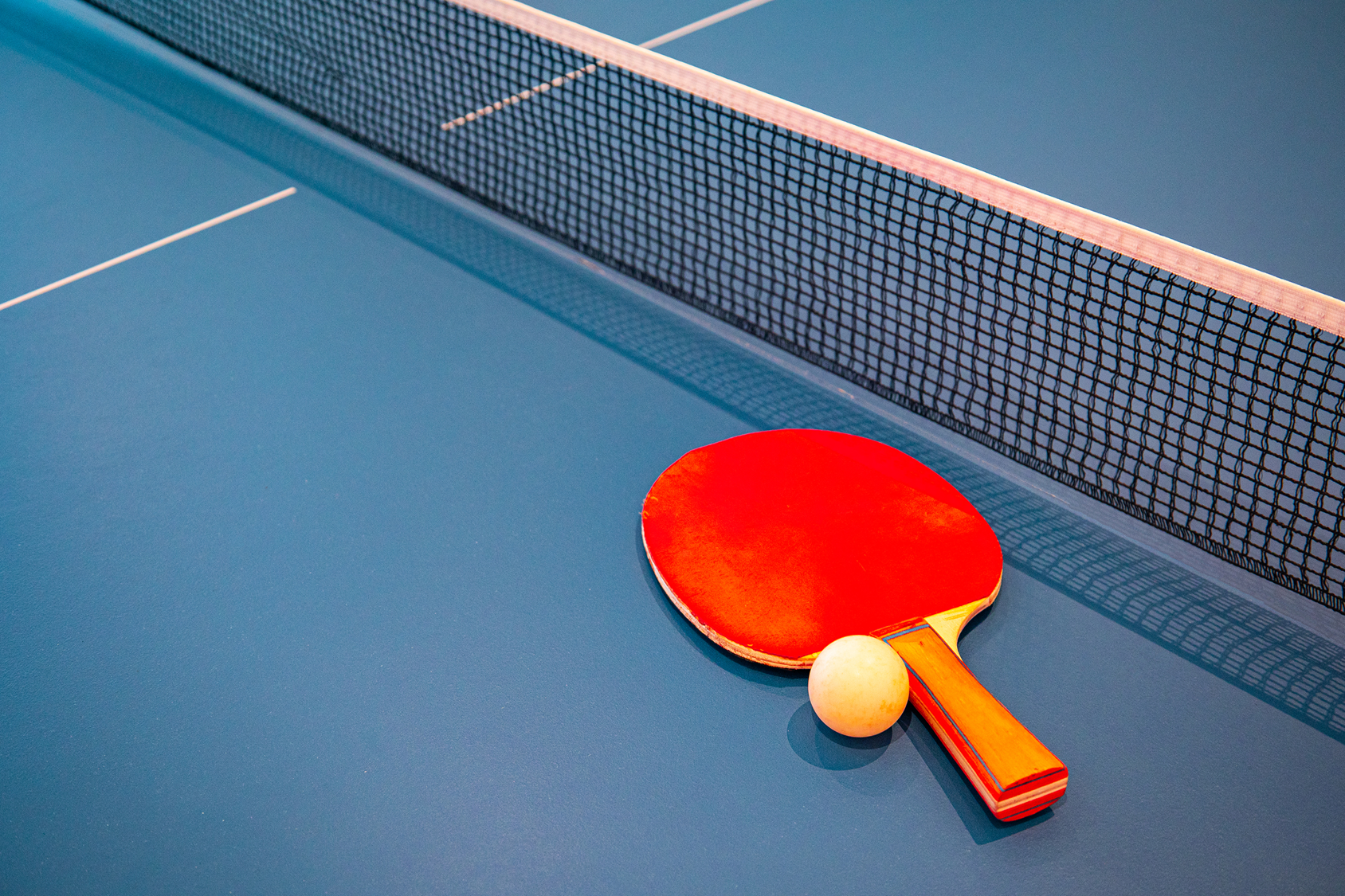
The rain didn’t bother me because we had built a makeshift table tennis table with the neighbor boys in our attic, with help from my father. It was made of two wooden planks that my father no longer needed, placed on a garden table and an old sewing machine. The wooden planks were shorter and narrower than a normal table tennis table, but that didn’t bother us. We felt like professionals in training camp. We played from morning until evening, interrupted only by breaks for lunch and dinner. We had no tutorial or guide on how to play the game; what we learned was through trial and error. My father explained the rules for scoring.

In that rainy summer, I learned to play table tennis decently. But on that one day, the neighbor boys had to go with their parents to visit their aunt, and I was left alone. I was bored, and I still remember that feeling of boredom to this day, even after decades. That was the last time. Since then, I’ve used the free time I have in many ways, and my problem is more the endless possibilities of what I could do – but unfortunately, they don’t fit into a day that only has 24 hours. For example, I wonder why my nightstand is still standing, even though it’s weighed down with all the unread books I absolutely have to read. Usually, when one book is taken away, two new ones come along. All these cultural offers almost drive me crazy because I keep discovering new things happening at the same time, and I have to choose. One could continue with examples like this for a long time.

However, I’ve realized that at some point in life, a phase will come where boredom, like in childhood, may return. My mother, a former math teacher, who is gradually losing her mobility but whose mind is as sharp as it was 20 years ago, begins to get bored in the winter when social contacts become sparse. Despite digital options and despite her ability to exchange ChatGPT for Perplexity, as a more researched and detailed AI. My mother, over 80, has no fear of the digital world and navigates it very skillfully. But the lack of social contacts and interaction with people in the flesh and blood, and especially their absence, makes her feel lonely and bored. Nevertheless, she manages to go to the library every week and borrow six new books, which she reads in one week.

I have been closely observing my mother for about ten years and want to know the details of her problems. Not that I could really help her – most of the time, she still helps herself and solves her problems with the help of digital assistants. But it’s selfish. If I’m lucky, I will have to deal with similar issues as she does. What’s coming my way? How can I prepare for it?

From all these observations, a clear solution comes to mind: a network. The bigger, the better. Ideally, one should continuously expand it, especially with age groups that differ significantly from one’s own. Because with my friends, boredom never strikes. Like last week, when we had arranged to meet for lunch, and by quarter past twelve, my friend still wasn’t there. When I called her to ask where she was, she told me that lunch was actually tomorrow, on Thursday. I had to convince her that today was already Thursday. But this can really only happen to someone who works from home, like she does. As a result, I got to meet the gentleman at the next table, whose guest was also late. Now, that’s not boredom.

Birthday


I’m not a fan of Christmas, New Year’s, or my birthday. Since childhood, I’ve dreaded the idea of a planned celebration: now it’s supposed to be fun, cozy, or whatever. Joy on command isn’t my strength, and I don’t feel any anticipation. I get lots of well-meant congratulations and gifts that I often don’t know what to do with. And there’s the forced feeling of giving cheerful responses to all the congratulations.

What I do enjoy is spontaneously or casually meeting up with my former schoolmates, friends, or acquaintances – whether in twos, threes, or a larger group – for a fun, casual evening or weekend without any agenda or expectations.

And here we go again. It’s my birthday. Once again, in January, like every year. My friends message me, which genuinely makes me happy because their wishes are authentic and accompanied by sincere offers to go hiking, to the movies, the theater, or an exhibition. They know me and understand that material gifts rarely make me happy. My kids reach out, my parents and other relatives write. A few long-standing business partners get in touch. Then there are calls and emails triggered by calendar reminders from my insurance, car garage, and other service providers. The SBB gives me a voucher for a drink, Ticketcorner offers me a 5 CHF discount. I don’t want to seem ungrateful, but honestly, I don’t need AI programmed to remember my birthday. That’s not fun.

I visited my mom recently to help her adjust her hearing aids. Now I’m flying back home on my birthday. I settle into my seat – and since I bought a super cheap ticket, I wasn’t surprised to be seated in the last row, just like on the outbound flight. Paying extra to sit 15 rows forward isn’t worth it to me. I can read and think anywhere. I sit down, open my laptop, and start working. Then the flight attendant comes up to me and asks if I’m Ms. Merz. Yes, I am. She congratulates me and hands me a bar of chocolate. And that got me. The unexpected touched me emotionally. Well done, Swiss – I truly appreciated this gesture.

By the way, this year, for the first time in a while, I have a material wish: I’d like to buy a pool table. That’s quite an ambitious wish, though. A pool table is big and heavy. There’s no space for it in my apartment. But at the vacation house, it might be possible to add onto the room above the old stable and set it up there. That’s my birthday wish and likely a project for the next three years. I need an architect who specializes in old buildings. The walls are made of stone; the house was built in 1906, and the stables likely over 100 years earlier. I need a project manager and a building permit. The project will undoubtedly be challenging because adding a floor will probably require a completely new roof. As always, my budget is limited, and everything needs to fit within it.

Why pool? During my vacation, I played almost every day for the first time in ages. I’m not good at it. I’ve always lacked three-dimensional vision, and geometry was my nemesis in school. When I took an intelligence test at 14 (to help choose a career), I scored zero points in spatial visualization. They had me retake that part of the test because they suspected something had gone wrong. The result was the same: zero points. There are just things I cannot do. Spatial visualization is a huge advantage in pool. Parallel parking, for instance, took me years to master. Today, I can do it easily and without the sweaty stress of my first 20 years as a driver. I remember colleagues and instructors who promised to teach me – none of them succeeded. I had to figure out how to compensate for my lack of ability.

Pool is similar. I can’t intuitively predict what happens when one ball strikes another, but I’ve learned to analyze it. Outsmarting my weaknesses gives me immense joy. I need the pool table to improve, which requires the room addition, which requires a permit that an architect and project manager should handle. If you know any great architects or project managers, that would be a wonderful birthday gift.

It’s my birthday again. Swiss, thanks for the chocolate.

Geburtstag


Ich mag Weihnachten, Silvester und meinen Geburtstag nicht besonders. Schon als Kind graute mir vor der Vorstellung der geplanten Feier: Jetzt wird es lustig, gemütlich oder was auch immer. Freude auf Knopfdruck liegt mir nicht, und Vorfreude empfinde ich kaum. Ich bekomme viele gut gemeinte Gratulationen und Geschenke, mit denen ich oft nichts anfangen kann. Dazu kommt das erzwungene Gefühl, auf alle Glückwünsche freudig reagieren zu müssen.

Was ich hingegen mag, ist, spontan oder kurzfristig mit meinen ehemaligen Schulkollegen, Freunden und Freundinnen etwas auszumachen – zu zweit, zu dritt oder in einer grösseren Gruppe – und einen lustigen, unverbindlichen Abend oder ein Wochenende ohne Agenda und Hintergedanken zu verbringen.

Jetzt ist es wieder so weit. Ich habe Geburtstag. Alle Jahre wieder im Januar. Meine Freundinnen schreiben mir, und das freut mich wirklich, denn das sind authentische Glückwünsche mit ehrlichen Angeboten, gemeinsam wandern zu gehen oder ins Kino, Theater oder eine Ausstellung. Sie kennen mich und wissen, dass mich materielle Geschenke selten glücklich machen. Die Kinder melden sich, die Eltern und weitere Verwandte schreiben. Einige alte, langjährige Geschäftspartner lassen von sich hören. Und dann bekomme ich Anrufe und Mails, die durch Kalendereinträge von Versicherungen, der Garage oder anderen Dienstleistern ausgelöst werden. Die SBB schenkt mir einen Gutschein für ein Getränk, Ticketcorner eine 5-Franken-Ermässigung. Ich möchte nicht undankbar wirken, aber ehrlich: Ich brauche keine KI, die programmiert wurde, um meinen Geburtstag zu beachten. Das macht keinen Spass.

Ich war bei meiner Mutter zu Besuch, um ihr bei der Einstellung ihrer Hörgeräte zu helfen. Jetzt fliege ich an meinem Geburtstag zurück nach Hause. Ich setze mich auf meinen Sitz – und da ich ein super günstiges Ticket gekauft habe, überrascht es mich nicht, dass ich wieder wie schon auf dem Hinflug in der letzten Reihe des Flugzeugs eingecheckt wurde. Ein Aufpreis für 15 Reihen weiter vorne zu sitzen, ist es mir nicht wert. Lesen kann ich überall, nachdenken ebenfalls. Ich mache es mir bequem, öffne meinen Laptop und beginne zu arbeiten. Dann kommt die Stewardess und fragt mich, ob ich Frau Merz sei. Ja, das bin ich. Sie gratuliert mir und überreicht mir eine Tafel Schokolade. Und das hat mich tatsächlich berührt. Das Unerwartete traf mich emotional. Swiss, gut gemacht – ich habe mich über diese Gratulation sehr gefreut.

Übrigens habe ich dieses Jahr nach langer Zeit wieder einen materiellen Wunsch: Ich möchte mir gerne einen Billardtisch kaufen. Das ist allerdings ein anspruchsvoller Wunsch. Ein Billardtisch ist gross und schwer. In meiner Wohnung ist kein Platz dafür. Aber im Ferienhaus wäre es möglich, den Raum über dem alten Stall aufzustocken und dort den Tisch aufzustellen. Das ist jetzt mein Geburtstagswunsch und vermutlich ein Projekt für die nächsten drei Jahre. Ich brauche einen Architekten, der sich mit alter Bausubstanz auskennt. Die Wände bestehen aus Stein, das Haus wurde 1906 erbaut, die Ställe wahrscheinlich über 100 Jahre früher. Ich brauche einen Bauleiter und eine Baugenehmigung. Die Realisierung wird sicher anspruchsvoll, da durch die Aufstockung vermutlich ein komplett neues Dach nötig wird. Wie immer ist mein Budget begrenzt, und alles muss hineinpassen.

Warum Billard? Ich habe in den Ferien nach langer Zeit wieder fast jeden Tag gespielt. Ich bin überhaupt nicht gut. Mir hat schon immer das dreidimensionale Sehen gefehlt, und Geometrie war für mich ein Horrorfach. Als ich mit 14 einen Intelligenztest gemacht habe (als Hilfe für die Berufswahl), erzielte ich im Bereich der räumlichen Visualisierung null Punkte. Man liess mich diesen Teil des Tests wiederholen, weil der Verdacht bestand, dass etwas schiefgelaufen sei. Das Ergebnis blieb jedoch gleich: null Punkte. Es gibt Dinge, die ich einfach nicht kann. Für Billard ist die Fähigkeit zur räumlichen Visualisierung von grossem Vorteil. Seitlich einzuparken, konnte ich erst nach langem Suchen nach einer Strategie. Heute schaffe ich es ohne weiteres und schwitze nicht mehr wie in den ersten 20 Jahren mit Führerschein. Ich erinnere mich an Kollegen und Fahrlehrer, die mir versprochen haben, es mir beizubringen – keiner hat es geschafft. Ich musste selbst herausfinden, wie ich diese fehlende Fähigkeit kompensieren kann.

Mit Billard ist es ähnlich. Ich kann mir nicht vorstellen, was passiert, wenn ich eine Kugel durch eine andere stosse, aber mittlerweile kann ich einiges analytisch ableiten. Meine Schwäche zu überlisten, macht mir grossen Spass. Ich brauche den Billardtisch, um besser zu werden; dafür braucht es die Aufstockung, und diese benötigt die Baugenehmigung, die mir ein Architekt und Bauleiter besorgen sollten. Falls ihr tolle Architekten oder Bauleiter kennt, wäre das für mich ein wunderbares Geburtstagsgeschenk.

Ich habe schon wieder Geburtstag. Swiss, danke für die Schokolade.

Jamaika – Weihnachten mit James Bond


Ich liebe Märchen. Es ist doch schön zu wissen, dass das Gute über das Böse siegt. Immer! Sonst ist es kein Märchen. James Bond, geschaffen von Ian Fleming, ist für mich nichts anderes als ein Märchen für Erwachsene. Das Gute besiegt das Böse. Immer! Sonst ist es kein richtiger James Bond.

Vor Kurzem hat mir ein Freund erzählt, wie Ian Fleming den Namen James Bond gefunden haben soll. Fleming suchte nach einem durchschnittlichen, eher langweiligen Namen. In seiner Bibliothek stand auch eine grosse Vogel-Enzyklopädie. Der Verfasser: James Bond. Ob die Geschichte stimmt, weiss ich nicht, aber ich finde sie grossartig. James Bond, der Vogel-Spezialist, der regelmässig die Welt rettet.

Ich verbringe dieses Weihnachten auf Jamaika. Nein, nicht wirklich wegen James Bond, sondern wegen des guten Wetters, des Meeres, des Windes und der Musik. Es ist das erste Mal, dass ich hier bin, und es ist eine Erfahrung, die sich lohnt. Der Anfang war allerdings holprig. Mein Flug hatte Verspätung, und ich machte mir Sorgen, dass der Autoverleih bereits geschlossen sein könnte. Glücklicherweise traf das nicht zu. Die Dame war noch da und übergab mir die Schlüssel.

Die Überraschung kam, als sie mir sagte, dass der Benzintank leer sei. Wie leer er war! Kaum hatte ich den Motor gestartet, zeigte die Anzeige an, dass ich tanken muss – Notreserve! Ich fragte, wo die nächste Tankstelle sei, und man sagte mir: geradeaus und dann links. Das klang nicht besonders beruhigend. Das Auto hatte keine Navigation, und draussen war es stockdunkel.

Ich fuhr los und fand nach etwa drei Kilometern tatsächlich eine Tankstelle, zu meiner grossen Erleichterung. Aber sie war menschenleer. Ich ging von Säule zu Säule und versuchte herauszufinden, wie man hier tankt. Es war dunkel, mitten in der Nacht, und ich begann leicht nervös zu werden. Nach und nach realisierte ich, dass ich weder mit Bargeld in irgendeiner Währung noch mit Kreditkarte an dieser Tankstelle tanken konnte.

Mit mulmigem Gefühl suchte ich auf der Karte nach der nächsten Tankstelle. Es gibt wahrlich angenehmere Vorstellungen, als mitten im Nirgendwo in einem Auto mit leerem Tank übernachten zu müssen. Plötzlich kamen drei Fahrzeuge mit quietschenden Reifen auf die Tankstelle gefahren. Nein, ich wurde nicht überfallen, und nein, ich musste die Nacht nicht im Auto verbringen. Ich fand eine andere, nahegelegene Tankstelle und konnte den Tank schliesslich füllen.

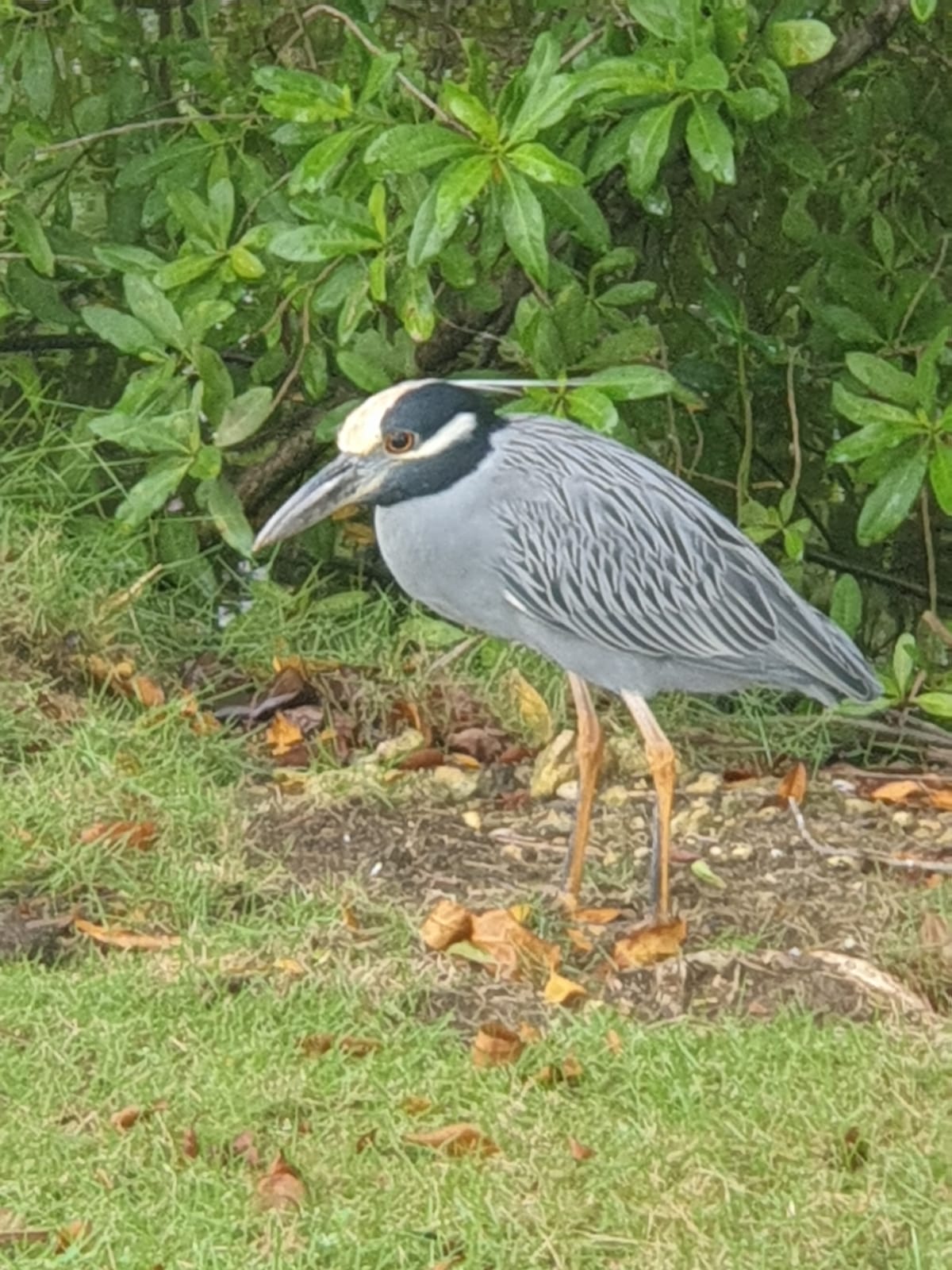
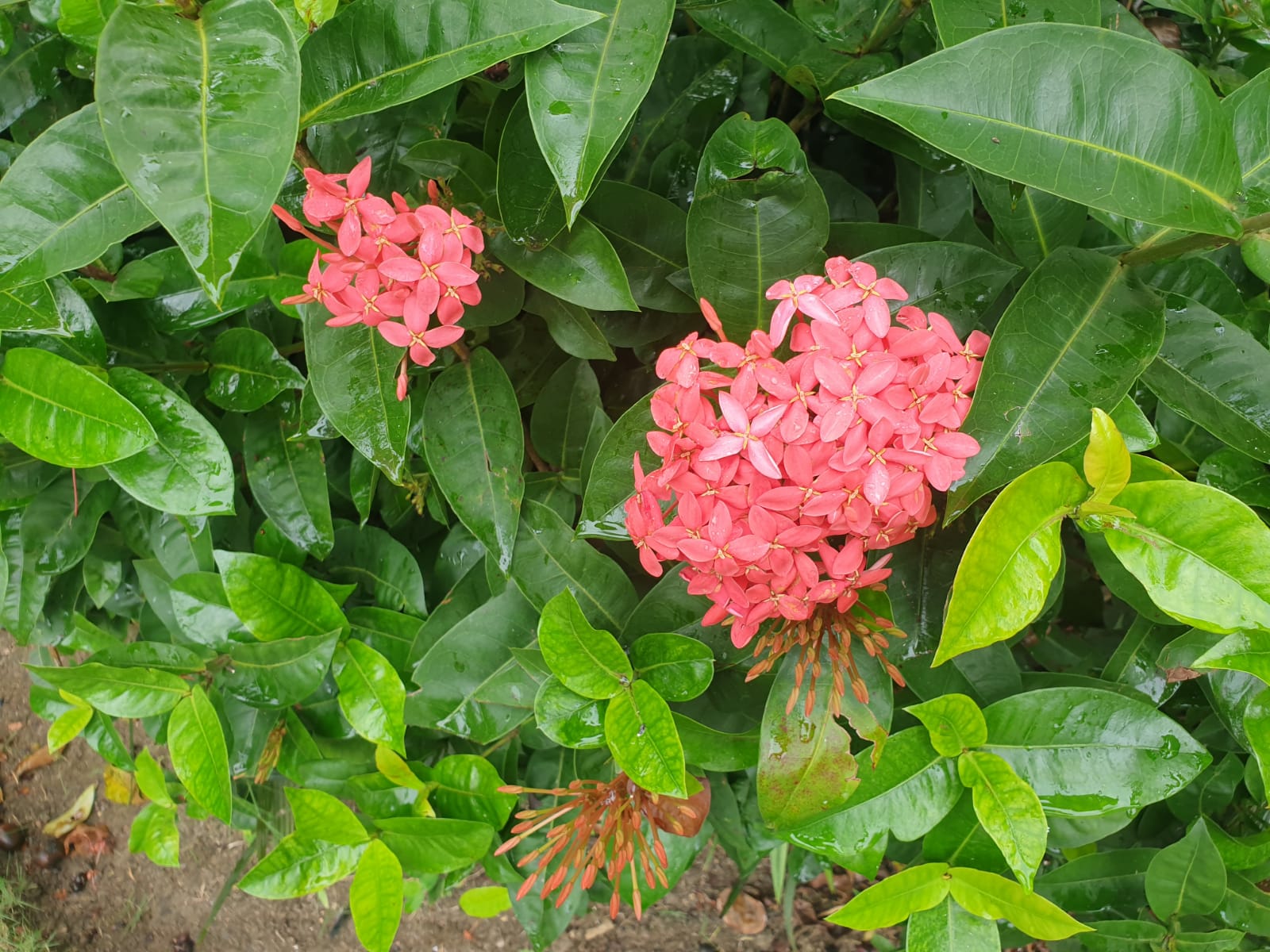
Jamaika hat viel zu bieten. Besonders fasziniert haben mich die Kolibris und die Pflanzenwelt. Die Insel ist unglaublich grün, es gibt Wasser im Überfluss, und ein Regenschauer hier ist ein Erlebnis. Die Qualität des Trinkwassers ist aussergewöhnlich hoch. Man kann Vogelstationen, botanische Gärten oder Abenteuerparks besuchen. Man kann Wasserfälle erklimmen oder auf einem Floss fahren.

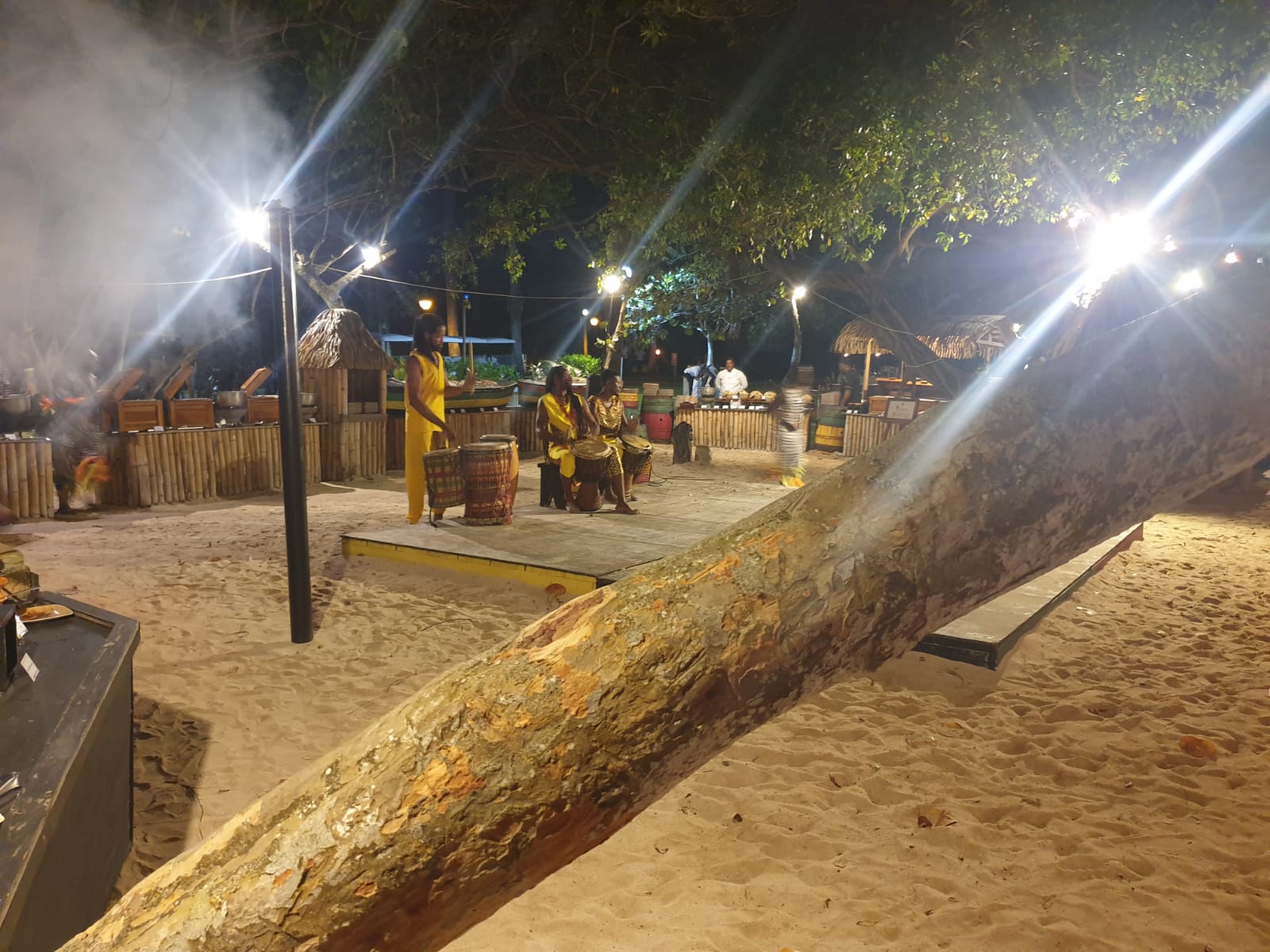
Die Musik, der Tanz und die Gespräche mit den Einheimischen machen Jamaika zu etwas Besonderem. Die Menschen sind freundlich, hilfsbereit, und jeder hat Zeit für ein Schwätzchen. Ich kann gut nachvollziehen, warum Ian Fleming seine Bücher hier geschrieben hat.

Fog in the Swiss Plateau


I live half an hour from Zurich. It’s a fantastic place with very friendly people and an amazing lake. I have an incredible panoramic view over the mountains and the lake. One look out the window is better than watching TV. Except from November to February. Then, we’re plagued by fog. But what fog! On some days, it’s so white and thick that it reminds me of baby food. Eating baby food is one of my fondest childhood memories, but being surrounded by it is just gross. The fog is very persistent, easily sticking around from morning until night. You can’t see anything. Absolutely nothing. Just gray, white, or black. The difference between day and night can only be detected by the brightness. After a few hours in this thick fog, I start feeling physically ill. Not just a little bit – truly unwell. Two things help: exercise and sunshine.

The fog has now lingered for several weeks. It’s not as impenetrable as it can be in February, but it’s there every single day, without a break. I can’t stand it anymore. In Switzerland, there’s a remedy: drive for an hour and a half, and you can escape. So, I headed to Interlaken. I needed to get up into the mountains because the fog line is at 1100 meters, and above that, beautiful, cloud-free sunny days await. It was still dark in the morning, and you could tell dawn was coming only by the shift from blackish-milky to grayish-milky. I set off, and about an hour into the drive, the first sunbeam greeted me like a good morning kiss. You can see the thick fog lying below, like a cushion left behind, while enjoying the still-green slopes of the mountains (snow is coming soon) and the sunshine.

Ahead of me was a hike up to the Gemmenalphorn, at an altitude of 2061 meters. Clearly, many others had the same idea – it was far from a lonely ascent. It felt more like a migration. It was a good feeling, though, because everyone was greeting each other, as if meeting neighbors. Everyone out today seemed cheerful and was smiling at one another. What a brilliant day! My breathing started complaining a bit, especially on the last part of the trail, as it was truly steep. I had no desire to slow down, though. I might have sore muscles tomorrow; we’ll see. With each step and every drop of sweat, I felt better. It was pleasantly warm, with most people just in T-shirts, a sweater was enough, and you could easily leave your jacket in your backpack.

At the start of the hike, I came across an old house. All the windows and doors were open, and I could hear the sounds of demolition work inside. In front of the house was a dumpster filled with old wood and other debris. Curious, I took a look inside. They were just tearing down the thin wooden wall between the kitchen and living room. Back then, newspapers were used as insulation. I picked one up off the floor and saw it was from August 1945. It was perfectly preserved, so I flipped through it. It was much thinner than today’s papers, with most of it dedicated to advertisements. I read a real estate ad offering a villa with 9 rooms, a 2000 m² garden, and a stunning view in Zurich for 220,000 Swiss francs. Too bad my grandparents didn’t have the funds to buy such a property. It would probably be worth tens of millions today.

The climb rewarded me with an unbeatable 360-degree view. I could sit here for hours in the sun on the dry grass, taking in the vast landscape, the surrounding mountains with already snow-capped peaks, and the lake below. But as it gets cold and a bit uncomfortable after sunset, I took a half-hour break and then began my descent into the valley, watching the many paragliders launching from the slopes and gliding down to the valley below.

Summary I can confirm that the best cure for the fog blues is sunshine combined with exercise. Good shoes and a bottle of water are highly recommended. Unfortunately, I forgot my water bottle on Saturday. It made drinking at the bottom even better!

Feeling Safe in Switzerland


As a student, I worked in Norway – a beautiful country. One day, I was out with my Norwegian colleagues when one suddenly said, “Look, there’s our king,” nodding toward an elderly man walking alone across the street. At first, he didn’t look like a king at all – perhaps I had a somewhat naive idea of royalty back then. But most surprising was that he was walking completely alone. I’m not sure if something like this would still happen in Oslo today. In Switzerland, though, you can still encounter a Federal Councillor or, more often, a former Councillor, casually going about their day alone.

For example, a former Councillor lives in our building. A very kind gentleman. We often meet at the mailbox, in the elevator, or in the stairwell. It feels good to feel safe. I feel safe in Switzerland – why wouldn’t I? Many young children here go to kindergarten all by themselves. I can’t think of a single place in Switzerland where I’ve felt afraid. It’s perhaps wise to avoid Oerlikon station between 1 and 4 a.m. on weekends to steer clear of conflicts with drunk or otherwise impaired individuals. But the truth is, if I had to be at Oerlikon station at that time, I’d feel a sense of respect, but not fear. This sense of security, which seems so natural, is truly a valuable gift.

As a young student, I lived in a different country, in a run-down area where, alongside many wonderful people, a few strange characters also lived. If I had to go home in the dark, I often felt uneasy. So, I decided to arm myself. A weapon is useless if one isn’t ready to use it in an emergency. Willingness alone isn’t enough – you have to be able to defend yourself. The only weapon I can handle well is a fencing foil. So, I began carrying a silver foil, like a musketeer. My foil wasn’t sharp, and the tip was rounded. Injuring someone with it would only be possible if the blade broke. Still, my foil gave me a sense of security, and I walked without fear, even at night, in that neighborhood. Only once did a near-incident occur.

I was returning home around 8 p.m. in winter, and it was already pitch-dark. The light in the corridor of our building wasn’t working well, as usual. I couldn’t see much when a shadow suddenly appeared. Someone had been hiding in the darkness near my apartment door. A shiver ran through me, and my adrenaline spiked. All possible options flashed through my mind in a split second. I could scream loudly, though in this building, it probably wouldn’t have caught much attention – there was constant shouting from arguments or drunken cries. I could run, but where to and with what result? So, I chose my foil and immediately prepared to defend myself.

Then, the shadow suddenly said “Boo,” and I recognized the voice of my foolish friend David. He’d wanted to scare me, and it was a close call – I might have seriously hurt him. What a silly prank! He frequently made inappropriate jokes like this. He’d actually been waiting for me because he was feeling down and wanted to talk. Why someone in distress would make jokes is beyond me.

I know what it’s like to feel afraid when walking alone, and I deeply appreciate not having to feel that way anymore. Thank you, Switzerland.

Meine kürzliche Erfahrung mit Co-Pilot


Ich erlebte vor kurzem ziemlich frustrierende Erfahrung mit Co-Pilot. Ich setzte mich, wie gewohnt, hin, um meinen wöchentlichen Blog zu schreiben. Diese Aufgabe dauert in der Regel mindestens eine halbe Stunde, also beschloss ich, Co-Pilot zu nutzen, in der Hoffnung, dass es mir hilft, meinen Text weiter zu verfeinern.

Allerdings hatte ich, wie gewohnt, keine Sicherungskopie des Textes angefertigt. Nachdem ich meine Arbeit beendet hatte, drückte ich den „Generieren“-Button und erwartete, dass Co-Pilot sein Zauberwerk vollbringt. Zu meinem Bedauern kam Co-Pilot mit einer Nachricht zurück, in der stand, dass es keinen besseren Text produzieren konnte. Mein ursprüngliche Text ist jedoch verschwunden. Verschluckt irgendwo in Daten Ewigkeit. Ich war nicht nur enttäuscht, sondern fühlte mich auch vollkommen verraten, da mein ursprünglicher Text nicht gespeichert war. Da ich meine Arbeit nicht gespeichert hatte, war sie nun für immer verloren – eine halbe Stunde Arbeit, die umsonst war.

Ich war so verärgert, dass ich keine Lust hatte, von vorne zu beginnen, obwohl es eine ziemlich gute Geschichte war. Diese Erfahrung erinnerte mich daran, dass selbst die beste Technologie nutzlos sein kann, wenn sie nicht richtig eingesetzt wird, oder dass Technologie nicht immer die gewünschten Ergebnisse liefert.

Also erreichte meine Frustration mit künstlicher Intelligenz an diesem Sonntag einen neuen Höhepunkt, und dieser Text wurde ohne ihre Hilfe verfasst.

How to grow old


I’ve read that people are not afraid of death, but of dying and actually it’s about the fear of the pain and the strangeness. It’s similar with getting older. I don’t think people are afraid of old age. Getting older brings a lot of positive things with it.

You know yourself and don’t have to prove anything to yourself or others (not everyone, but probably the majority). Experience allows you to make decisions that would not have been possible when you were younger, and the social network you have built up over the years is so strong that you can’t fall. Those who enjoy learning throughout their lives learn new things and keep up with the latest technological developments well into old age. Old age then brings with it some physical ailments and dwindling energy. For some, also limited mental flexibility. The fear of old age is more a fear of the negative consequences it brings.

Read More »

Life in times of Corona XV


Helen was very happy when she became a grandmother. Finally, she thought. The risk was great that her only daughter would rather have a career than take the time to give birth to at least one child.

Helen was a dedicated grandmother. Whenever her daughter needed help, she was there and helped where necessary, even though she was still working 100%. But that was before Corona. In March everything changed. The visits became fewer and fewer and more and more distant, one was not allowed to hug each other.

Helen was in the risk category with her diabetes and although it was very difficult for her, she reduced her visits to her daughter and grandchild to a Sunday afternoon walk with them. The little one began to become estranged from Helen. This hurt even more.

Read More »