Jamaica – Christmas with James Bond


I love fairy tales. It’s comforting to know that good will always triumph over evil. Always! Otherwise, it’s not a fairy tale. For me, James Bond, created by Ian Fleming, is nothing less than a fairy tale for adults. Good triumphs over evil. Always! Otherwise, it’s not a proper James Bond story.

A friend recently told me how Ian Fleming came up with the name James Bond. Fleming was looking for an ordinary, rather boring name. In his library, he had a large bird encyclopedia. The author: James Bond. Whether the story is true or not, I don’t know, but I find it fascinating. James Bond, the bird expert who regularly saves the world.

This Christmas, I’m spending time in Jamaica. Not really because of James Bond, but for the good weather, the sea, the breeze, and the music. It’s my first time here, and it’s an experience worth having. However, the start of my trip was a bit bumpy. My flight was delayed, and I was worried the car rental office might already be closed. Thankfully, that wasn’t the case. The lady was still there and handed me the keys.

The surprise came when she told me that the fuel tank was empty. And it really was empty! As soon as I started the engine, the fuel gauge showed that I needed to refuel – emergency reserve! I asked where the nearest gas station was, and she told me: straight ahead and then left. That didn’t sound very reassuring. The car didn’t have navigation, and it was pitch dark outside.

I drove off and, to my great relief, found a gas station about three kilometers away. But it was completely deserted. I went from pump to pump, trying to figure out how to refuel. It was dark, in the middle of the night, and I was starting to get a bit nervous. Slowly, I realized that I couldn’t refuel at this station using either cash in any currency or my credit card.

Feeling uneasy, I looked up the next gas station on the map. Spending the night stranded in a car with an empty tank in the middle of nowhere was not a pleasant thought. Suddenly, three cars came screeching into the gas station. No, I wasn’t robbed, and no, I didn’t have to spend the night in the car. I found another nearby gas station and was finally able to fill the tank.

Jamaica has so much to offer. I was especially fascinated by the hummingbirds and the plant life. The island is incredibly green, water is abundant, and a rain shower here is quite an experience. The quality of drinking water is exceptionally high. You can visit bird sanctuaries, botanical gardens, or adventure parks. You can climb waterfalls or ride a raft.

The music, the dancing, and chatting with the locals make Jamaica truly special. The people are friendly, helpful, and everyone has time for a chat. I can completely understand why Ian Fleming wrote his books here.

EU – Digital Reporting Requirements (DRR) of the ViDA package


At the VAT Expert Group (VEG) meeting held on December 13th, VEG members were invited to submit their comments on the Digital Reporting Requirements (DRR) of the ViDA package. These comments will help prepare future Explanatory Notes or Implementing Regulations.

You can find below a link to the technical note prepared by the IVA on this matter. The amendments to the VAT Directive concerning the DRR can be found in section 4 of the note (amendments to the VAT Directive effective from 1 July 2030).
https://mailchi.mp/9654f6dd6e32/iva-newsletter-21257123?e=7748092c9d

You will also find the text on which there was an agreement on a general approach on the proposal for a draft Council Directive amending the VAT Directive here https://data.consilium.europa.eu/doc/document/ST-14961-2024-INIT/en/pdf. The articles related to electronic invoicing and DRR start on page 52 of the document.

The Commission is requesting that input into the consultation process is done by highlighting those articles about which it would be convenient to clarify various aspects in Explanatory Notes (or possibly via an Implementing Regulation – please indicate which you think would be the preferred ‘instrument’). The articles identified are the following:

Electronic Invoicing.

  • Articles 217 and 218 (definition of electronic invoice)
  • Article 222 (1) (deadlines)
  • Art 223 (summary invoices)
  • Art 226 (invoicing data)
  • Article 232 (acceptance)

Digital Reporting Requirements.

  • Article 262 (DRR replacing recapitulative statements).
  • Article 263 (deadlines).
  • Art 264 (data to be submitted through DRR).
  • Art 271a and 271b (domestic DRR).
  • Article 273 (other obligations for Member States, e.g. transition to adapt their domestic systems to the requirements of the Directive).

If you have any comments to make about these important changes, please make sure that you submit within deadline.

Jamaica – Christmas with James Bond


I love fairy tales. It’s comforting to know that good will always triumph over evil. Always! Otherwise, it’s not a fairy tale. For me, James Bond, created by Ian Fleming, is nothing less than a fairy tale for adults. Good triumphs over evil. Always! Otherwise, it’s not a proper James Bond story.

A friend recently told me how Ian Fleming came up with the name James Bond. Fleming was looking for an ordinary, rather boring name. In his library, he had a large bird encyclopedia. The author: James Bond. Whether the story is true or not, I don’t know, but I find it fascinating. James Bond, the bird expert who regularly saves the world.

This Christmas, I’m spending time in Jamaica. Not really because of James Bond, but for the good weather, the sea, the breeze, and the music. It’s my first time here, and it’s an experience worth having. However, the start of my trip was a bit bumpy. My flight was delayed, and I was worried the car rental office might already be closed. Thankfully, that wasn’t the case. The lady was still there and handed me the keys.

The surprise came when she told me that the fuel tank was empty. And it really was empty! As soon as I started the engine, the fuel gauge showed that I needed to refuel – emergency reserve! I asked where the nearest gas station was, and she told me: straight ahead and then left. That didn’t sound very reassuring. The car didn’t have navigation, and it was pitch dark outside.

I drove off and, to my great relief, found a gas station about three kilometers away. But it was completely deserted. I went from pump to pump, trying to figure out how to refuel. It was dark, in the middle of the night, and I was starting to get a bit nervous. Slowly, I realized that I couldn’t refuel at this station using either cash in any currency or my credit card.

Feeling uneasy, I looked up the next gas station on the map. Spending the night stranded in a car with an empty tank in the middle of nowhere was not a pleasant thought. Suddenly, three cars came screeching into the gas station. No, I wasn’t robbed, and no, I didn’t have to spend the night in the car. I found another nearby gas station and was finally able to fill the tank.

Jamaica has so much to offer. I was especially fascinated by the hummingbirds and the plant life. The island is incredibly green, water is abundant, and a rain shower here is quite an experience. The quality of drinking water is exceptionally high. You can visit bird sanctuaries, botanical gardens, or adventure parks. You can climb waterfalls or ride a raft.

The music, the dancing, and chatting with the locals make Jamaica truly special. The people are friendly, helpful, and everyone has time for a chat. I can completely understand why Ian Fleming wrote his books here.


Jamaika – Weihnachten mit James Bond


Ich liebe Märchen. Es ist doch schön zu wissen, dass das Gute über das Böse siegt. Immer! Sonst ist es kein Märchen. James Bond, geschaffen von Ian Fleming, ist für mich nichts anderes als ein Märchen für Erwachsene. Das Gute besiegt das Böse. Immer! Sonst ist es kein richtiger James Bond.

Vor Kurzem hat mir ein Freund erzählt, wie Ian Fleming den Namen James Bond gefunden haben soll. Fleming suchte nach einem durchschnittlichen, eher langweiligen Namen. In seiner Bibliothek stand auch eine grosse Vogel-Enzyklopädie. Der Verfasser: James Bond. Ob die Geschichte stimmt, weiss ich nicht, aber ich finde sie grossartig. James Bond, der Vogel-Spezialist, der regelmässig die Welt rettet.

Ich verbringe dieses Weihnachten auf Jamaika. Nein, nicht wirklich wegen James Bond, sondern wegen des guten Wetters, des Meeres, des Windes und der Musik. Es ist das erste Mal, dass ich hier bin, und es ist eine Erfahrung, die sich lohnt. Der Anfang war allerdings holprig. Mein Flug hatte Verspätung, und ich machte mir Sorgen, dass der Autoverleih bereits geschlossen sein könnte. Glücklicherweise traf das nicht zu. Die Dame war noch da und übergab mir die Schlüssel.

Die Überraschung kam, als sie mir sagte, dass der Benzintank leer sei. Wie leer er war! Kaum hatte ich den Motor gestartet, zeigte die Anzeige an, dass ich tanken muss – Notreserve! Ich fragte, wo die nächste Tankstelle sei, und man sagte mir: geradeaus und dann links. Das klang nicht besonders beruhigend. Das Auto hatte keine Navigation, und draussen war es stockdunkel.

Ich fuhr los und fand nach etwa drei Kilometern tatsächlich eine Tankstelle, zu meiner grossen Erleichterung. Aber sie war menschenleer. Ich ging von Säule zu Säule und versuchte herauszufinden, wie man hier tankt. Es war dunkel, mitten in der Nacht, und ich begann leicht nervös zu werden. Nach und nach realisierte ich, dass ich weder mit Bargeld in irgendeiner Währung noch mit Kreditkarte an dieser Tankstelle tanken konnte.

Mit mulmigem Gefühl suchte ich auf der Karte nach der nächsten Tankstelle. Es gibt wahrlich angenehmere Vorstellungen, als mitten im Nirgendwo in einem Auto mit leerem Tank übernachten zu müssen. Plötzlich kamen drei Fahrzeuge mit quietschenden Reifen auf die Tankstelle gefahren. Nein, ich wurde nicht überfallen, und nein, ich musste die Nacht nicht im Auto verbringen. Ich fand eine andere, nahegelegene Tankstelle und konnte den Tank schliesslich füllen.

Jamaika hat viel zu bieten. Besonders fasziniert haben mich die Kolibris und die Pflanzenwelt. Die Insel ist unglaublich grün, es gibt Wasser im Überfluss, und ein Regenschauer hier ist ein Erlebnis. Die Qualität des Trinkwassers ist aussergewöhnlich hoch. Man kann Vogelstationen, botanische Gärten oder Abenteuerparks besuchen. Man kann Wasserfälle erklimmen oder auf einem Floss fahren.

Die Musik, der Tanz und die Gespräche mit den Einheimischen machen Jamaika zu etwas Besonderem. Die Menschen sind freundlich, hilfsbereit, und jeder hat Zeit für ein Schwätzchen. Ich kann gut nachvollziehen, warum Ian Fleming seine Bücher hier geschrieben hat.

EU – Digital Reporting Requirements (DRR) of the ViDA package


At the VAT Expert Group (VEG) meeting held on December 13th, VEG members were invited to submit their comments on the Digital Reporting Requirements (DRR) of the ViDA package. These comments will help prepare future Explanatory Notes or Implementing Regulations.

You can find below a link to the technical note prepared by the IVA on this matter. The amendments to the VAT Directive concerning the DRR can be found in section 4 of the note (amendments to the VAT Directive effective from 1 July 2030).
https://mailchi.mp/9654f6dd6e32/iva-newsletter-21257123?e=7748092c9d

You will also find the text on which there was an agreement on a general approach on the proposal for a draft Council Directive amending the VAT Directive here https://data.consilium.europa.eu/doc/document/ST-14961-2024-INIT/en/pdf. The articles related to electronic invoicing and DRR start on page 52 of the document.

The Commission is requesting that input into the consultation process is done by highlighting those articles about which it would be convenient to clarify various aspects in Explanatory Notes (or possibly via an Implementing Regulation – please indicate which you think would be the preferred ‘instrument’). The articles identified are the following:

Electronic Invoicing.

  • Articles 217 and 218 (definition of electronic invoice)
  • Article 222 (1) (deadlines)
  • Art 223 (summary invoices)
  • Art 226 (invoicing data)
  • Article 232 (acceptance)

Digital Reporting Requirements.

  • Article 262 (DRR replacing recapitulative statements).
  • Article 263 (deadlines).
  • Art 264 (data to be submitted through DRR).
  • Art 271a and 271b (domestic DRR).
  • Article 273 (other obligations for Member States, e.g. transition to adapt their domestic systems to the requirements of the Directive).

If you have any comments to make about these important changes, please make sure that you submit within deadline.

Was macht einen guten Chef aus?


Dita hat einen neuen Job und damit auch einen neuen Chef. Obwohl sie jetzt mehr verdient, einen kürzeren Arbeitsweg hat und ihr Team ganz in Ordnung ist, ist sie trotzdem nicht ganz glücklich in ihrer neuen Position. Das hat mich neugierig gemacht, also habe ich nachgefragt, woran es liegen könnte.

Dita erzählte mir, dass zu Beginn alles wirklich super war. Ihr neuer Chef war sehr nett und freundlich – etwas, das sie in dieser Form bisher nicht kannte. Ihr vorheriger Chef hingegen war eher streng und fordernd, aber gleichzeitig sehr gerecht. Er stand hinter ihr, auch wenn sie mal Fehler machte.

Mit der Zeit bemerkte Dita jedoch einige problematische Muster. Viele der speziellen Aufgaben, die sie erledigte, blieben bei ihrem neuen Chef liegen und kamen nie zurück. Zudem stellten sich ihre Teamkollegen oft bereit, Aufgaben zu übernehmen, zogen dies jedoch selten konsequent durch. Der Chef hakte selten nach und ließ Dinge schleifen.

Dita übernahm immer mehr Aufgaben, da sie es aus ihrem vorherigen Job gewohnt war, dass jeder anpackte, wenn es nötig war. Dort hatte ihr Chef am Ende des Jahres die Leistung des gesamten Teams fair bewertet und Boni entsprechend verteilt. Bei ihrem neuen Chef hatte sie jedoch den Eindruck, dass diejenigen, die ihre Leistungen lautstark präsentierten, mehr Anerkennung bekamen als diejenigen, die tatsächlich viel leisteten, ihre Arbeit aber nicht groß zur Schau stellten.

Da Dita nicht zu den Menschen gehörte, die ihre Verdienste in den Vordergrund stellten, hatte sie das Gefühl, dass ihr Chef gar nicht wusste, was sie alles leistete – und es auch nicht wirklich schätzte. Zwar wurde sie in Gesprächen gelobt, doch der Chef hinterfragte nie kritisch, was sie tat. Für Dita war das ein Zeichen dafür, dass ihm ihre Weiterentwicklung nicht wichtig war.

Nach einem Jahr fühlte sie sich zunehmend demotiviert und begann, ihre Entscheidung für den Job zu bereuen.

Eines Tages traf sie bei einer Wanderung ihren ehemaligen, strengen Chef. Er erzählte ihr, dass er eine Position zu besetzen hatte. Dita fragte sofort, ob sie für die Stelle infrage käme. Nach kurzem Überlegen sagte er, dass er es ihr zutraut – allerdings nur, wenn sie sich anstrengt und eine Zusatzausbildung absolviert. Dita musste nicht lange überlegen und sagte zu.

Heute hat Dita wieder einen strengen und fordernden Chef, verdient genauso viel wie vorher, hat einen längeren Arbeitsweg, fühlt sich aber endlich wertgeschätzt und gefordert. Sie ist zufrieden und motiviert.

Die Erkenntnis: Mit Nettigkeit allein ist es nicht getan. Ein guter Chef muss fair sein, klare Strukturen schaffen und die Leistung seiner Mitarbeitenden nicht nur wahrnehmen, sondern auch anerkennen. Nur so kann ein Team wachsen und motiviert bleiben.

What Makes a Good Boss?


Dita started a new job, which also meant having a new boss. Even though she now earns more, has a shorter commute, and her team seems fine, she’s not entirely happy in her new position. This made me curious, so I asked her what might be the issue.

Dita told me that everything was great at first. Her new boss was very kind and nice—something she wasn’t used to. Her previous boss had been strict and demanding but also very fair. He stood by her even when mistakes were made.

Over time, however, Dita noticed some troubling patterns. Many of the special tasks she completed ended up sitting on her new boss’s desk and were never followed up on. Moreover, her colleagues often offered to take on tasks but rarely followed through, as the boss seldom checked in or held anyone accountable.

Dita gradually took on more and more responsibilities because she was used to a workplace where everyone pitched in when needed. Her previous boss had always ensured that the team’s efforts were evaluated fairly at the end of the year, and bonuses were distributed accordingly. With her new boss, however, she felt that those who loudly boasted about their contributions received more recognition than those who actually did the work but didn’t promote themselves.

Since Dita wasn’t someone who highlighted her achievements, she felt that her new boss didn’t really know what she accomplished—and didn’t truly appreciate it either. Although he praised her in conversations, he never critically assessed her work or showed genuine interest in her development.

After a year, Dita started to feel demotivated and began doubting her decision to take the job.

One day, while hiking, she ran into her former strict boss, who mentioned that he was looking for someone to fill a position. Dita immediately asked if she might be a good fit. After a moment of thought, he said he believed she could do it—provided she worked hard and completed additional training. She didn’t have to think long before accepting.

Today, Dita has a strict and demanding boss again. She earns the same as before, has a longer commute, but feels appreciated and challenged. She’s satisfied and motivated.

The Takeaway: Being nice isn’t enough. A good boss needs to be fair, create clear structures, and truly recognize the efforts of their team members. Only then can a team grow and stay motivated.

EU and Australia: Updates on public Country-by-Country Reporting (pCbCR)


On 29 November 2024, two important developments occurred concerning the EU and Australian pCbCR regulations. While the EC has released the final Implementing Regulation for EU pCbCR; Australian Parliament has passed the legislation containing the Australian pCbCR rules.

final Implementing Regulation related to EU pCbCR Directive

Non-EU headquartered groups (including Swiss-headquartered Groups) are not required to use the template and electronic formats laid down by the regulation. For these groups, only requirement is to publish their reports in a machine-readable format when they present the report in their group website.It is important to note that non-EU headquartered groups are also allowed to use the common template and electronic format required for EU headquartered groups.

PwC’s EU pCbCR Tracker

As equally important for Swiss-headquartered Groups, Australian Parliament has approved pCbCR rules for groups who has annual global income of more than AUD 1 billion and aggregated Australian sourced turnover for the income year of AUD 10 million.

This information will be publicly accessible on an Australian government website. The “specified jurisdiction” list (which have Switzerland among other jurisdictions), for which disaggregated country level pCbCR is required, is still to be finalized by administrative determination, which is expected to occur after Royal Assent in December 2024.

For a December reporting period, the year ending 31 December 2025 would be the first year subject to Australian public CBC reporting, with reporting due by 31 December 2026.

Please find the link to our PwC Tax Alert here.

Weihnachten in Prag


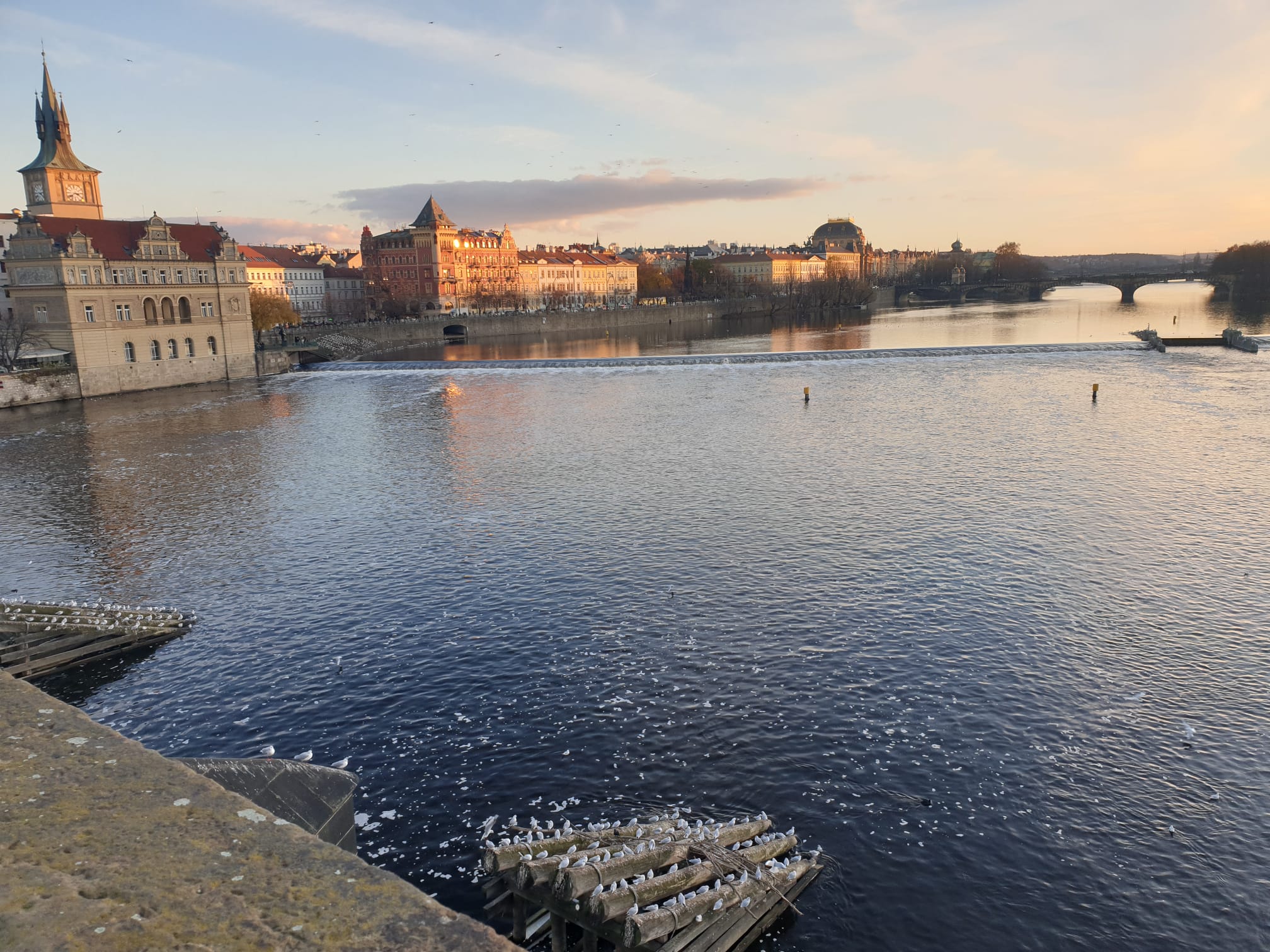
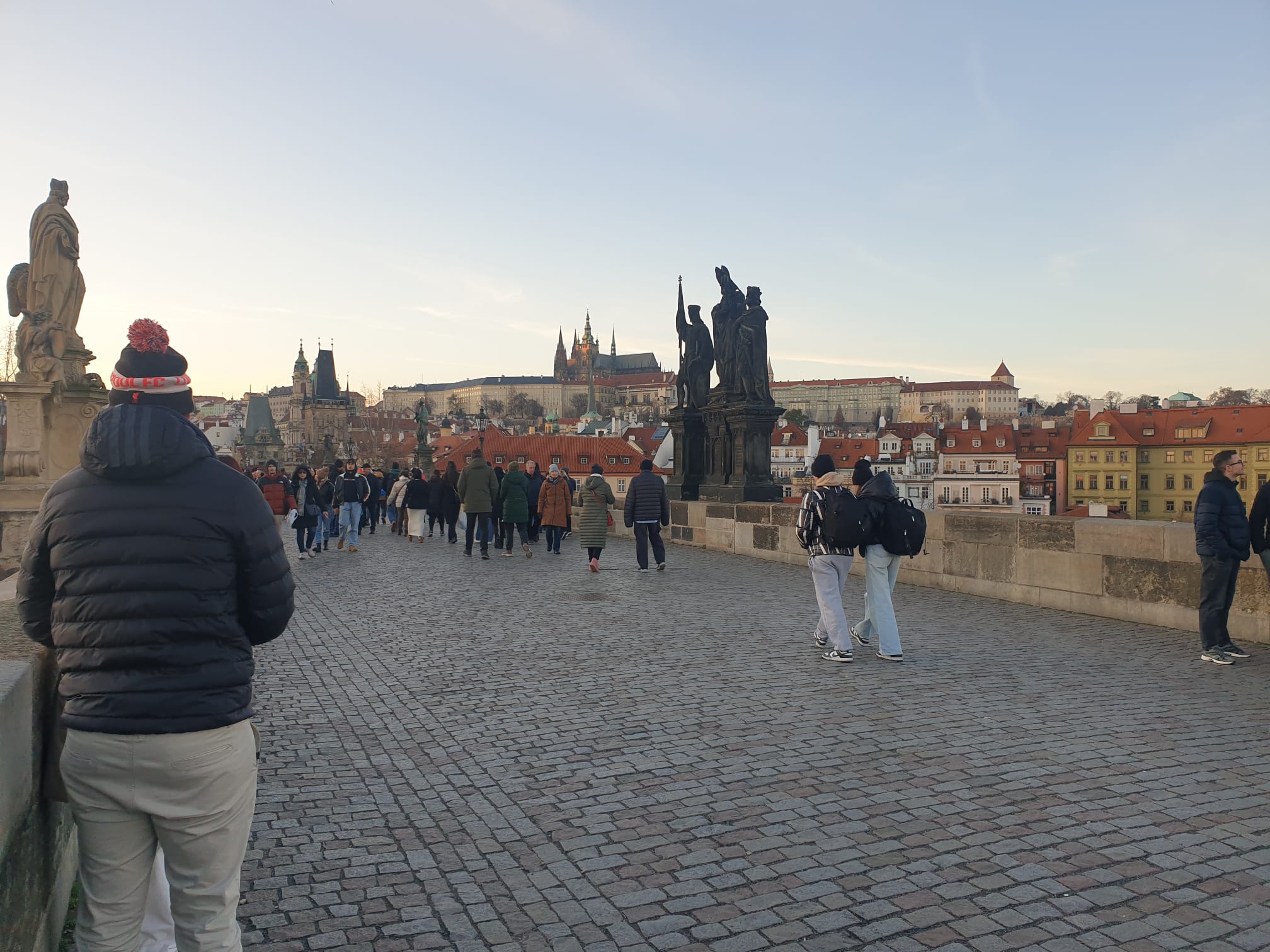
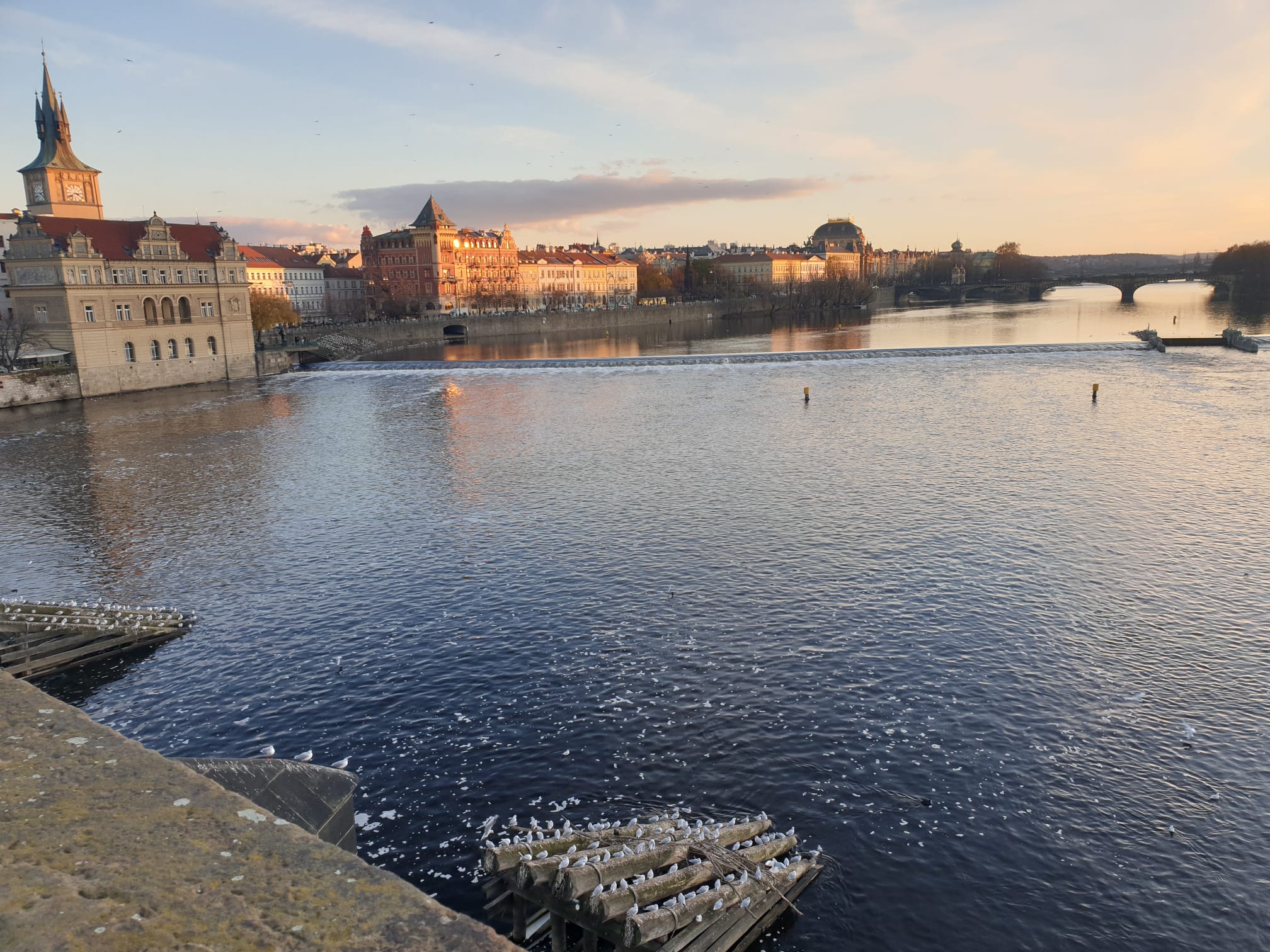
Natürlich gibt es einige Gründe, warum man denken könnte, dass Prag im Winter keine gute Idee ist. Das Wetter kann kalt und ungemütlich sein, und ab 17 Uhr ist es bereits stockdunkel. Aber lasst euch davon nicht abschrecken!

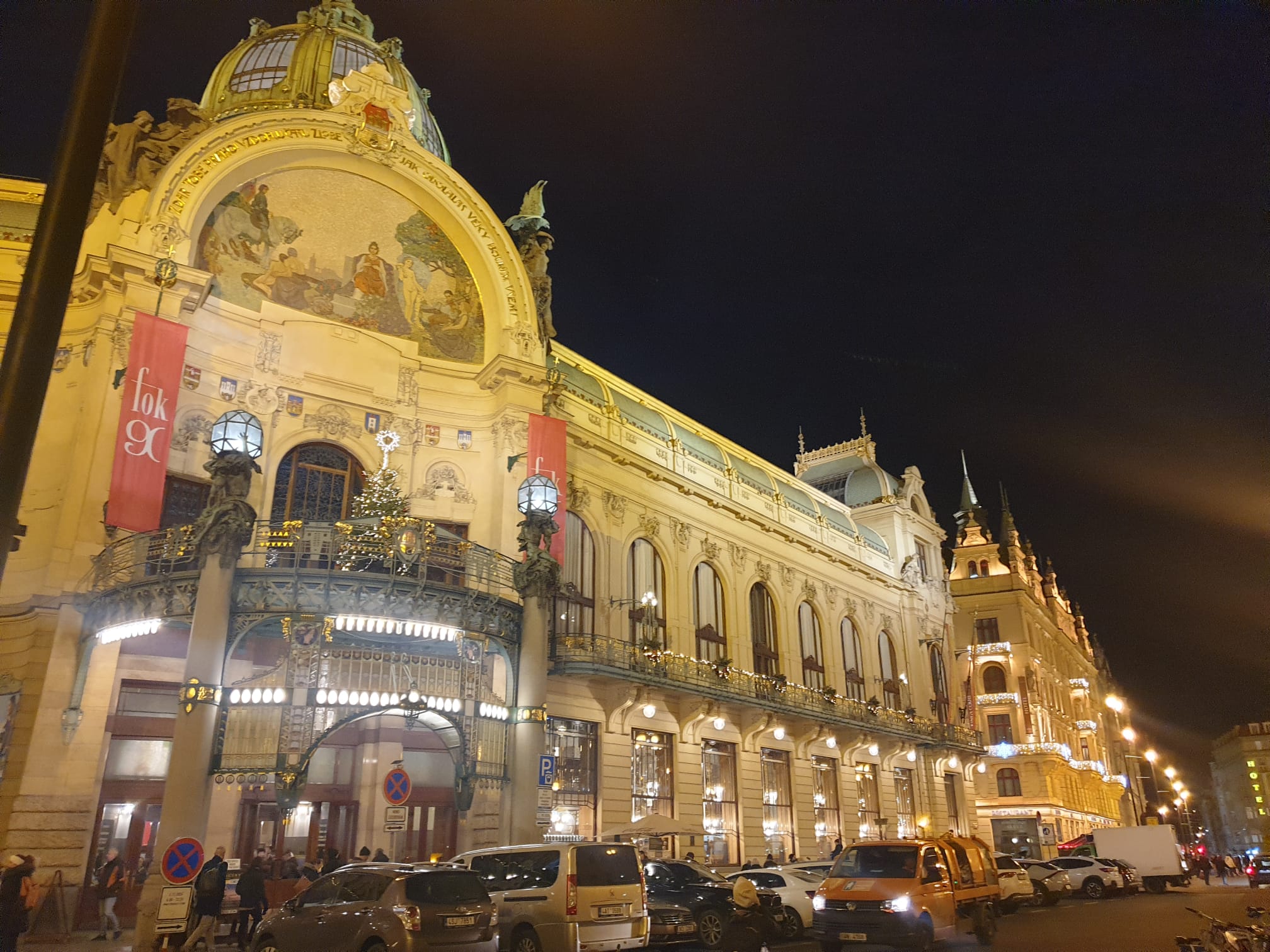
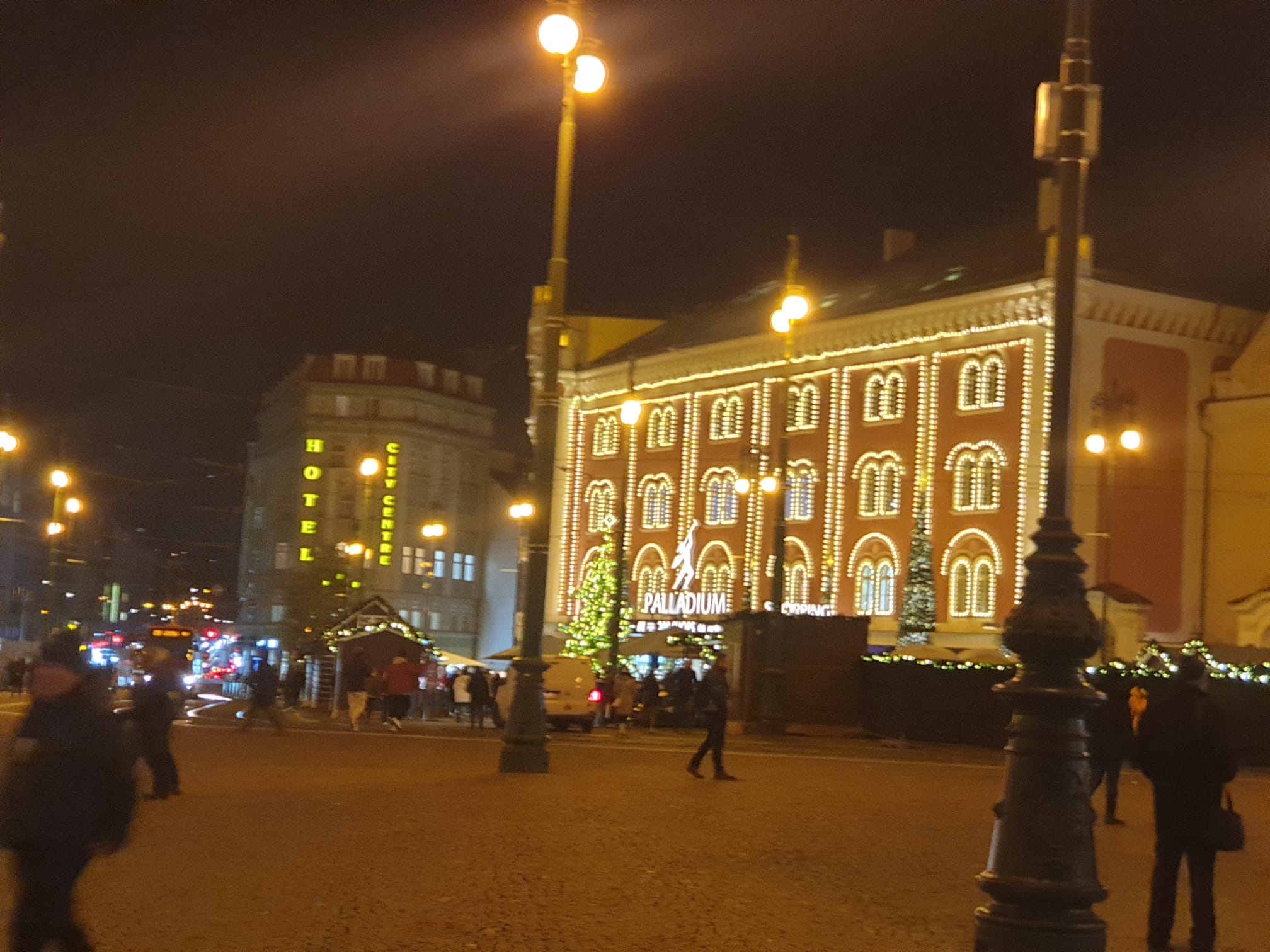
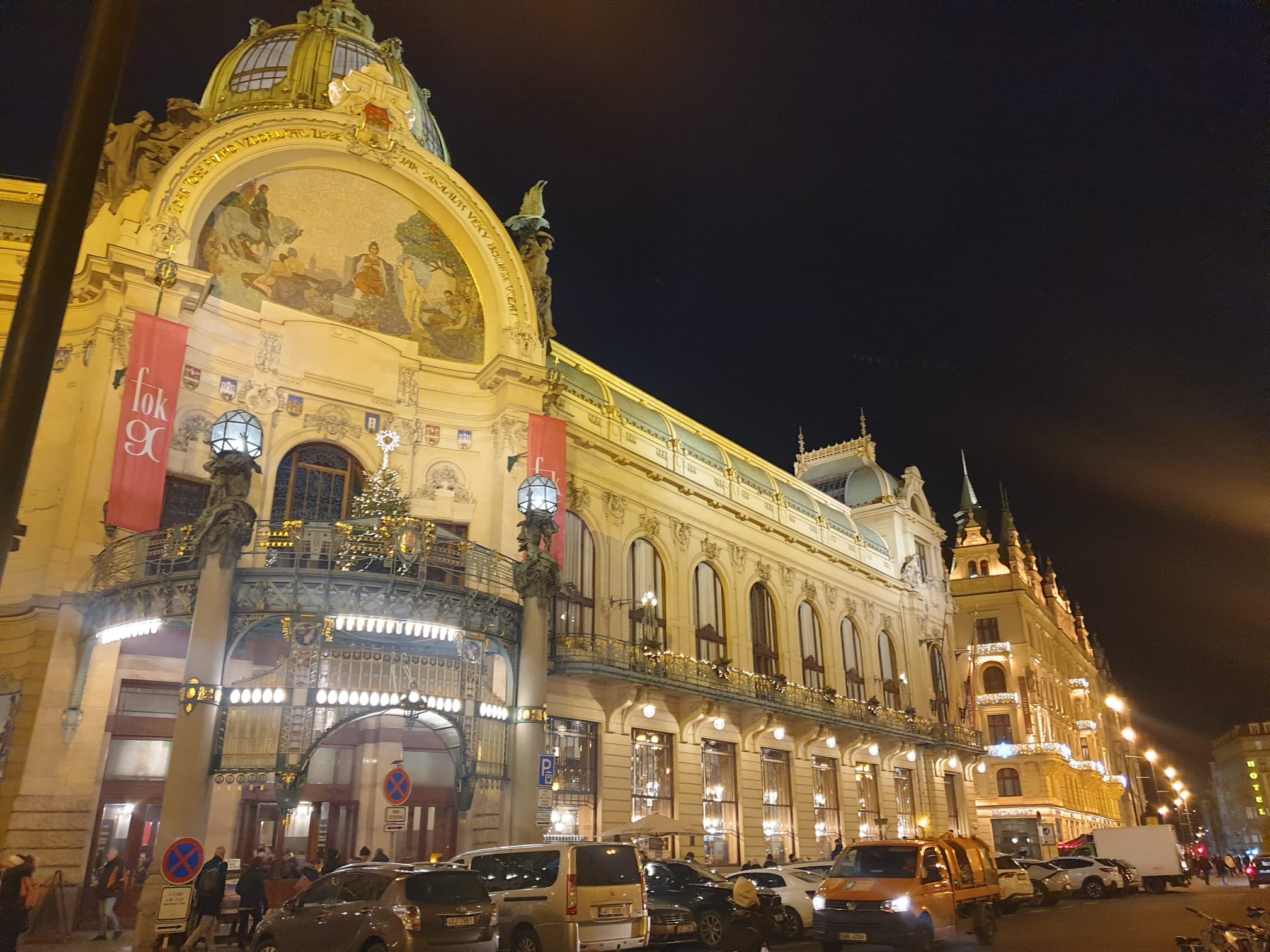
Zur Weihnachtszeit verwandelt sich Prag in ein wahres Lichtmeer mit unzähligen Dekorationen, die einen ins Staunen versetzen. Die Stadt ist voller Weihnachtsmärkte – nicht nur ein einzelner, sondern viele! Hier wird im Freien gegessen, getrunken, gelacht und gesungen.

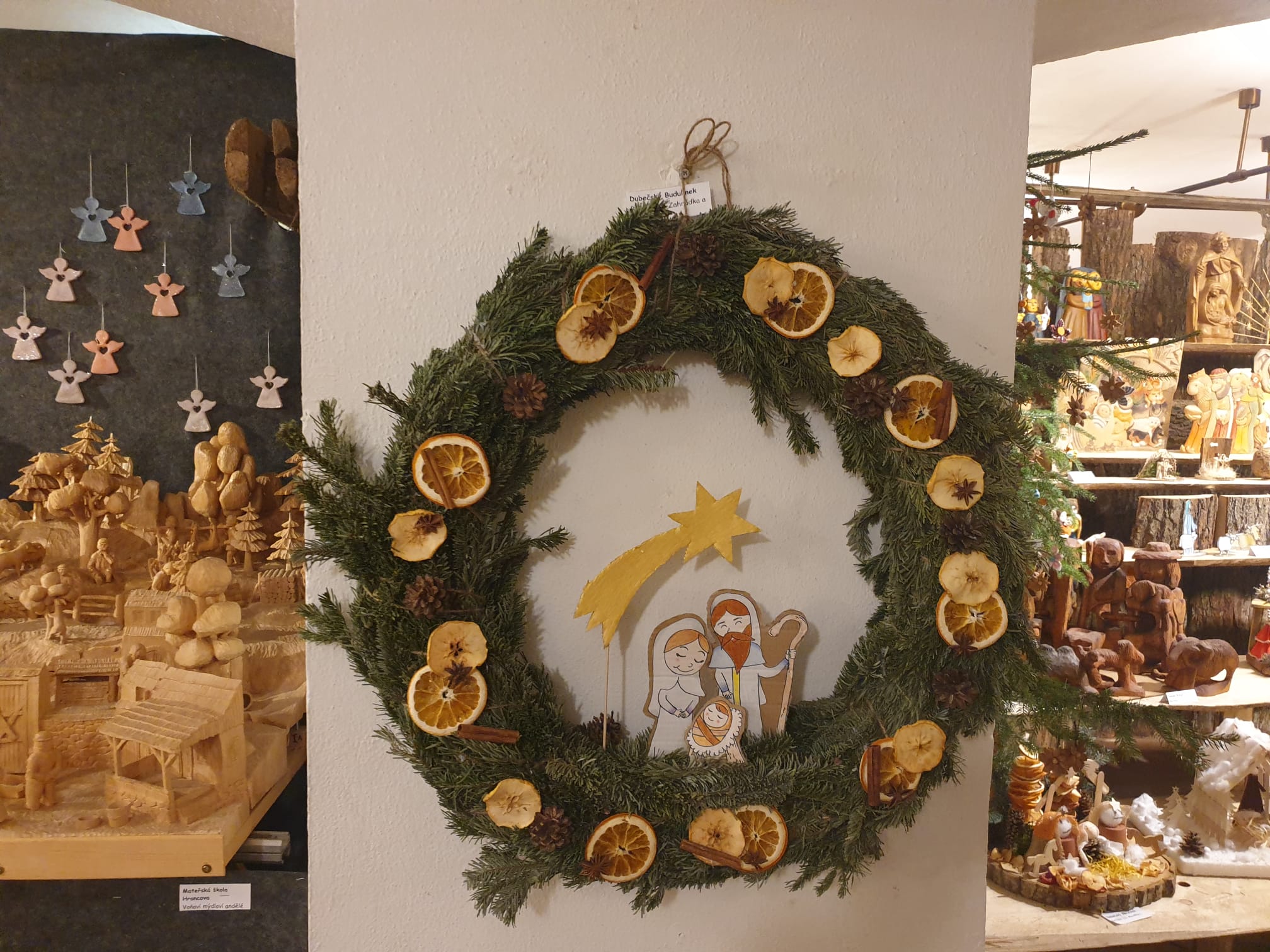
Besonders magisch finde ich die Krippen. Jedes Jahr gibt es in den Kellerräumen der Bethlehemkapelle eine beeindruckende Ausstellung von Krippen. Es ist erstaunlich, aus welchen Materialien man Krippen gestalten kann: Sie werden gebacken, geschnitzt oder aus Metall, Stroh, Glas, Fäden und sogar Abfall gefertigt. Alles, was man dafür braucht, ist ein wenig Fantasie und Geduld.

Dazu kommt der wunderbare Duft nach Zimt, Punsch, Orangen und vielen exotischen Gewürzen, die ich gar nicht alle beschreiben kann.

Am besten ist, ihr erlebt es selbst. Es lohnt sich wirklich!

Christmas in Prague


There are certainly some reasons why one might think that visiting Prague in winter is not a good idea. The weather can be cold and unpleasant, and it gets completely dark by 5 p.m. But don’t let that discourage you!

During Christmas time, Prague transforms into a sea of lights, with countless decorations that will leave you in awe. The city is filled with Christmas markets – not just one, but many! Here, people eat, drink, laugh, and sing outdoors.

What I find particularly magical are the nativity scenes. Every year, the cellars of Bethlehem Chapel host an impressive exhibition of nativity scenes. It’s amazing what materials can be used to create them: they can be baked, carved, or made from metal, straw, glass, thread, and even recycled materials. All it takes is a bit of imagination and patience.

Adding to this experience is the wonderful scent of cinnamon, mulled wine, oranges, and a variety of exotic spices that I can hardly put into words.

The best way to understand it is to experience it for yourself. It’s truly worth it!