Ruhe im Wald


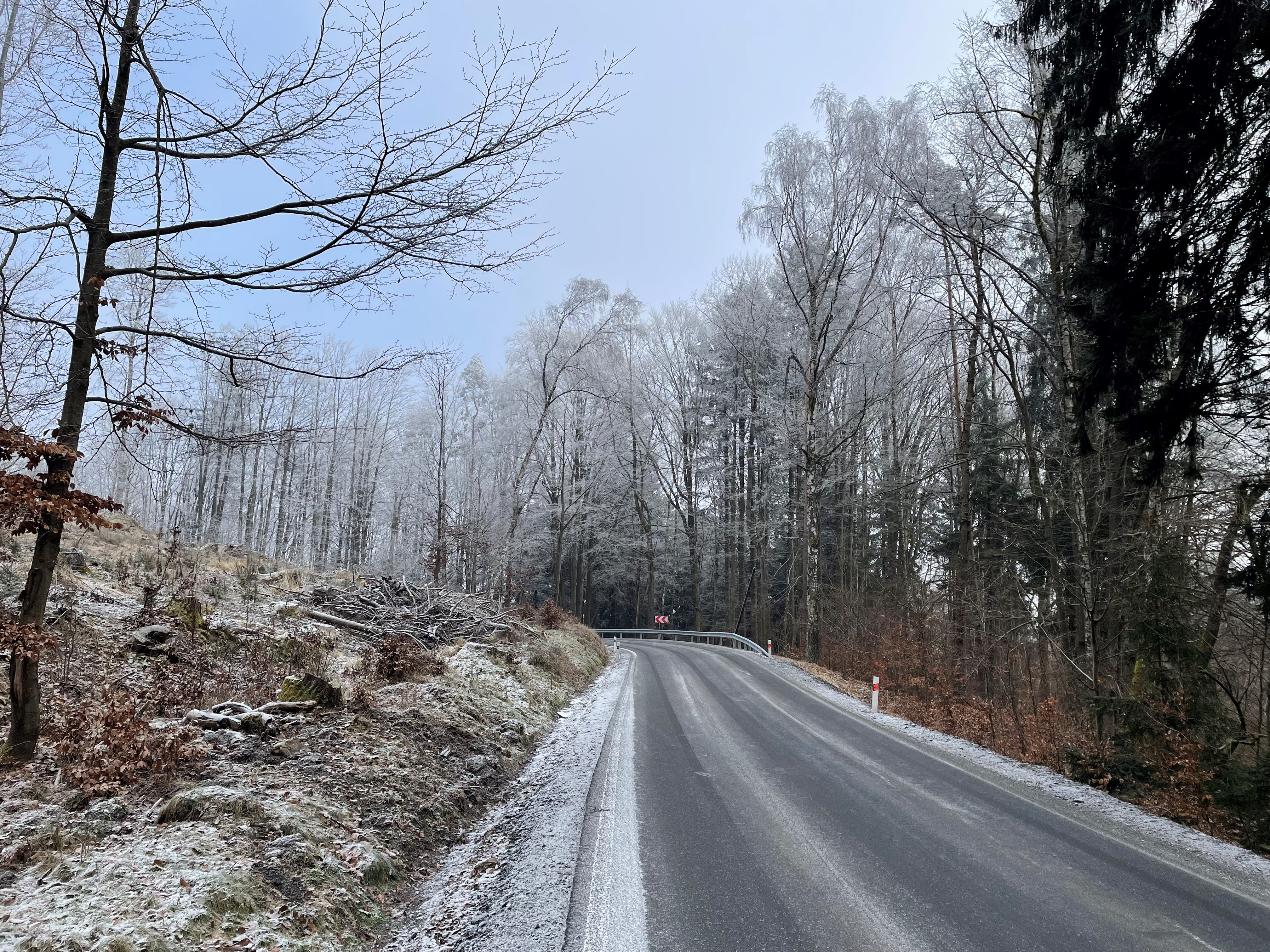
Der Nachbar meiner Mutter ist krank. Sehr krank. Seine Zeitrechnung bewegt sich nicht mehr in Jahren, sondern in Wochen. Seine Frau pflegt ihn. Ihr Hund spürt es und ist am liebsten draussen vor dem Haus. Zeit für lange Spaziergänge, wie er sich das in der Vergangenheit gewohnt war, hat niemand. Es tut mir leid für den Nachbarn, seine Frau und den Hund. Helfen kann ich nicht oder nur wenig. Jetzt bin ich anstelle des Skifahrens eine Woche bei meiner Mutter. Fiese Polarluft schnürt diesen Teil Europas ein und die Temperaturen liegen tief im Minusbereich. Erträglich macht es die Sonne, die von morgens bis nachmittags in dem kleinen Dorf scheint und eine kalte, fantastische Landschaft zaubert.

Ich gehe rennen. Da das Dorf am Fuss eines kleinen Berges liegt, führen fast alle Wege zunächst einmal nach oben. Da gibt es schnell Wärme. Ich denke mir, warum alleine laufen, wenn ich den Hund mitnehmen kann? Er ist 4 Jahre alt, kräftig und läuft gerne. Nur Befehlen verlässlich zu folgen, ist keine seiner Stärken. Ohne Leine hätte ich mich nicht getraut, ihn mitzunehmen. Die Nachbarin hat eine Leine, die sich sehr gut zum Laufen eignet. Ich befestige die Leine um das Teil und dem Hund am Halsband. Er war schon mit mir in der Vergangenheit unterwegs. Jetzt schaut er die Nachbarin an, die keine Anstalten macht, mitzukommen, mit fragendem Blick, und nur widerwillig lässt er sich zum Gehen bewegen.

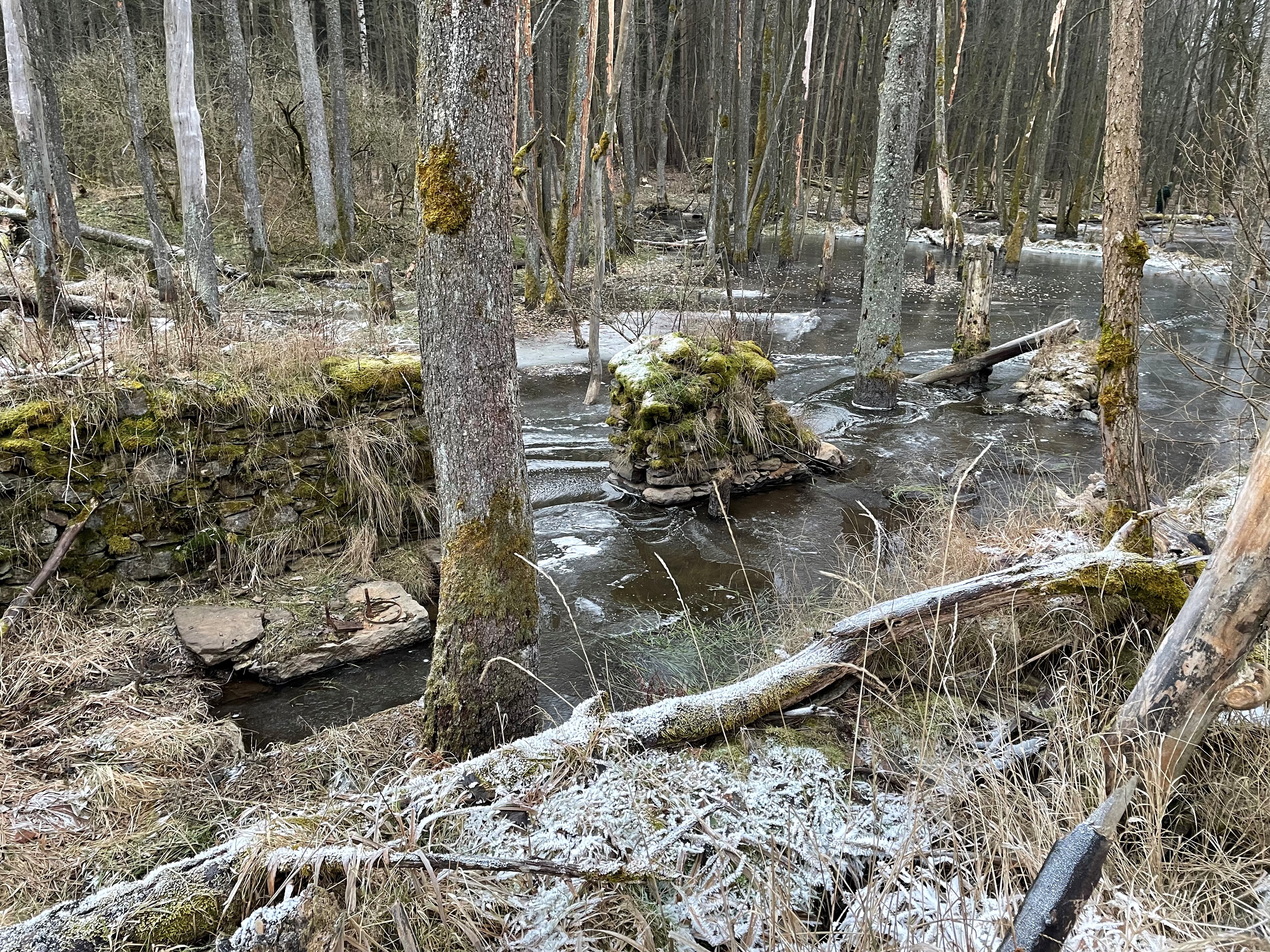
Wir rennen. Der Hund ist viel schneller als ich. Er ist aber nicht dumm und hat keine Lust, dass ihm das Halsband schmerzhaft den Hals zusammenschnürt. Also passt er sich ohne grosse Probleme meinem Tempo an. Wie der Berg immer steiler wird, passt er sich ohne Mühe meiner Geschwindigkeit an. Kluges Tier! Das Einzige, was mühsam ist, ist, dass er zu Beginn von links nach rechts und wieder zurück rennt, was mir das Leben nicht erleichtert. Klar muss er an vielen Stellen markieren, aber er ist so schnell und die Leine so lang, dass es kaum stört. Nach einem Kilometer sind wir ein eingespieltes Team. Der Wald ist vereist, still und wirkt verlassen. In der Stille sind jedoch leise Geräusche des Holzes zu hören. Sonst weit und breit kein Tier, kein Piepen, keine Stimme. Dann, etwa nach der Hälfte, erscheint plötzlich aus dem Nichts ein Mann mit einem Korb. Ich denke mir, dass es fast wie im Märchen „Marie und die zwölf Monate“ ist. Marie wurde mitten im Winter von ihrer bösen Stiefschwester in den Wald geschickt, um Blumen zu sammeln. Wer hat wohl diesen Mann geschickt? Was kann er dann sammeln? Ich halte an und frage ihn. Er sagt, dass er Pilze sammelt und zeigt mir einige wenige Pilze, die kaum den Boden in seinem Korb bedecken. Das kann ich kaum glauben. Ich hätte nicht gedacht, dass es Pilze gibt, die man Mitte Winter sammeln kann. Lernen kann man immer.

Wir laufen weiter, die Strasse entlang, und plötzlich hält eines der sehr wenigen Fahrzeuge, die wir heute gesehen haben, an. Eine Frau steigt aus, und der Hund sieht sie mit offensichtlicher Begeisterung an. Sie fragt mich, ob wir Hilfe brauchen. Alle in der Umgebung wissen, wie schlecht es dem Nachbarn geht, und alle kennen den Hund. Viele hätten gerne geholfen. Nur dem Nachbarn, glaube ich, kann niemand mehr helfen. Nein, Hilfe brauche ich keine. Sie steigt wieder ein und verschwindet. Plötzlich bleibt der Hund stehen und weigert sich, weiter zu rennen. Es ist offensichtlich, dass er etwas riecht. Ich halte die Leine und schaue in die Richtung, in die er wittert. An einem niedrigen Ast hängt ein von Blut verschmierter Tierhautrest. Es lässt sich nur schwer sagen, von welchem Tier es mal war. Den Hund von der Fundstelle wegzuziehen, erfordert Kraft, da gutes Zureden nichts nutzt.

Wir schliessen den Kreis und rennen nach Hause. Der Wald ist magisch schön. Ich habe feuerrote Wangen vom Frost, eine ruhige Seele und schmerzende Waden. Ich bin schon lange nicht mehr auf diesen Berg gerannt. Der Hund scheint mit mir zufrieden zu sein. Die Nachbarin ebenfalls.

Silence in the Forest


My mother’s neighbor is sick. Very sick. His concept of time no longer moves in years, but in weeks. His wife takes care of him. Their dog senses this and prefers to be outside, in front of the house. There’s no time for long walks, as he was once accustomed to. I feel sorry for the neighbor, his wife, and the dog. I can’t really help, or only a little. Now, instead of skiing, I am spending a week with my mother. Harsh polar air is tightening around this part of Europe and the temperatures are well below freezing. What makes it bearable is the sun, which shines from morning until afternoon, creating a cold but fantastic landscape in the small village.

I go running. Since the village is at the foot of a small mountain, almost all paths lead upwards. That brings quick warmth. I think to myself, why run alone when I can take the dog? He’s 4 years old, strong and likes to run. The only problem is that following commands reliably isn’t one of his strengths. Without a leash, I wouldn’t have dared take him along. The neighbor has a leash that’s perfect for running. I attach the leash to the dog’s collar. He’s been with me on runs before. Now he looks at the neighbor, who makes no move to join, with a questioning look, and only reluctantly does he allow himself to be coaxed into walking.
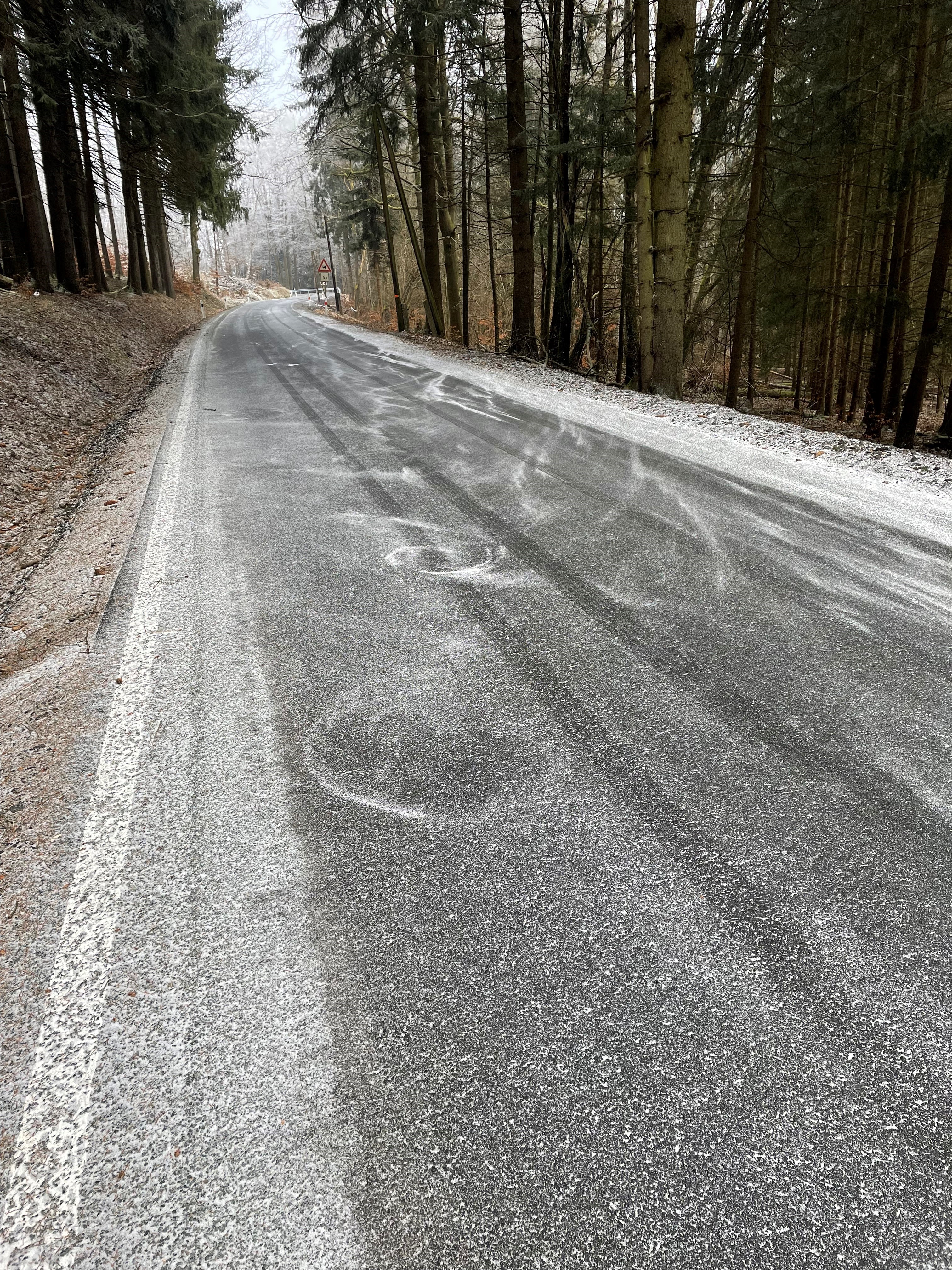
We run. The dog is much faster than I am. But he’s not stupid and doesn’t want the collar to painfully tighten around his neck. So, he adapts to my pace without much trouble. As the mountain gets steeper, he keeps adjusting his speed to mine. Clever animal! The only annoying thing is that at the start, he runs from left to right and back again, which doesn’t make it any easier for me. Of course, he has to mark a lot of spots, but he’s so fast and the leash is so long that it hardly bothers me. After a kilometer, we’re a well-coordinated team. The forest is frozen, quiet and seems deserted. In the silence, though, you can hear the faint sounds of the wood. Otherwise, no animals, no chirping, no voices in sight. Then, about halfway, a man suddenly appears out of nowhere with a basket. I think to myself, this is almost like the fairy tale “Marie and the Twelve Months.” In that story, Marie was sent deep into the forest in the middle of winter by her evil stepsister to collect flowers. Who could have sent this man? What could he be collecting? I stop and ask him. He says he’s collecting mushrooms and shows me a few mushrooms that barely cover the bottom of his basket. I can hardly believe it. I didn’t think there were mushrooms that could be collected in midwinter. You can always learn something new.

We continue running along the road and suddenly one of the very few vehicles we’ve seen today stops. A woman gets out and the dog looks at her with obvious excitement. She asks me if we need help. Everyone in the area knows how bad things are for the neighbor and everyone knows the dog. Many would have liked to help. But I think, for the neighbor, no one can help anymore. No, I don’t need help. She gets back in and drives off. Suddenly, the dog stops and refuses to run any further. It’s obvious he smells something. I hold the leash and look in the direction he’s sniffing. A low branch has a piece of animal skin, smeared with blood, hanging from it. It’s hard to tell what animal it once was. Pulling the dog away from the spot requires strength, as nothing I say seems to help. We complete the loop and run back home. The forest is magically beautiful. My cheeks are bright red from the frost, my soul is calm and my calves ache. It’s been a long time since I’ve run on this mountain. The dog seems satisfied with me. The neighbor does too.
How do we make a better world?


I feel that the world has lost its kindness at least since the pandemic. I get honked at two seconds after the green light turns on if I don’t drive off immediately. When I keep a distance from the vehicle in front of me that allows me to brake in time in any situation, it happens with clockwork regularity that another vehicle slides into the gap (which is probably perceived as unreasonably large). A “thank you” or “please,” let alone an apology, are as rare in public spaces as fertile soil on this planet. Hearing something kind is so rare that you remember it forever. As if the global situation weren’t already difficult enough, we make life harder for each other. People quickly say that tolerance has dropped below freezing point, and instead of talking to each other with a sincere will to solve the problems, the police are called. One example: If the neighbor makes noise five minutes past 10 p.m. Lawyers get involved, and a lot of money is spent (which isn’t a big deal, since legal insurance pays), where one should actually just discuss things and look for the smallest common denominator.

This increasingly bothers me. Changing something requires the involvement of many (if not all) in a permanent way. I’ve started with myself. Now, most of my emails are adjusted by artificial intelligence, making them better and me a better person. The tone becomes softer, the language more elaborate and kinder. The messages are wrapped in cotton. This only takes a few seconds, and everyone who knows me long enough recognizes it immediately. That’s even intentional. I’m not trying to present myself falsely. However, the effect is twofold. On the one hand, my emails lose authenticity. They’re not really me anymore. But on the other hand – and this is the truth – my emails were not always easy to digest. I’m a direct person, and I know that this isn’t for everyone. I try to hold myself back, which I probably don’t always manage. From now on, I hope my emails won’t hurt anyone anymore. That’s something.

I’ve consciously started looking for the positive in every person, the outstanding, the noticeable. Sometimes, it’s hard work to find it immediately, but everyone has something. And I name the excellent, the outstanding, aloud. Ultimately, it’s the truth. This way, everyone could get their daily dose of kindness without pretending. It’s, as so often, just a matter of will.

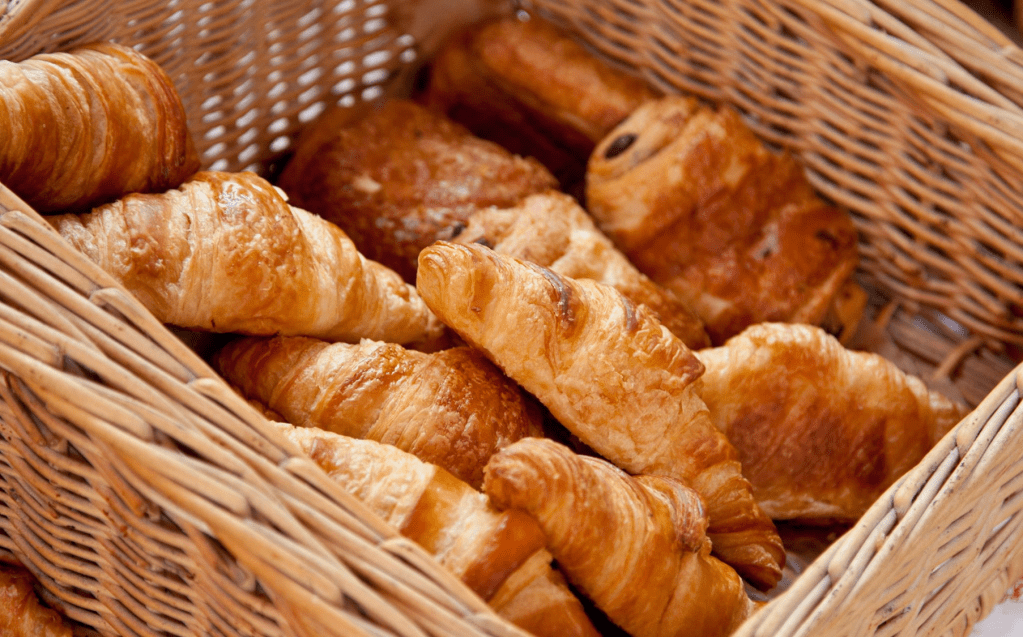
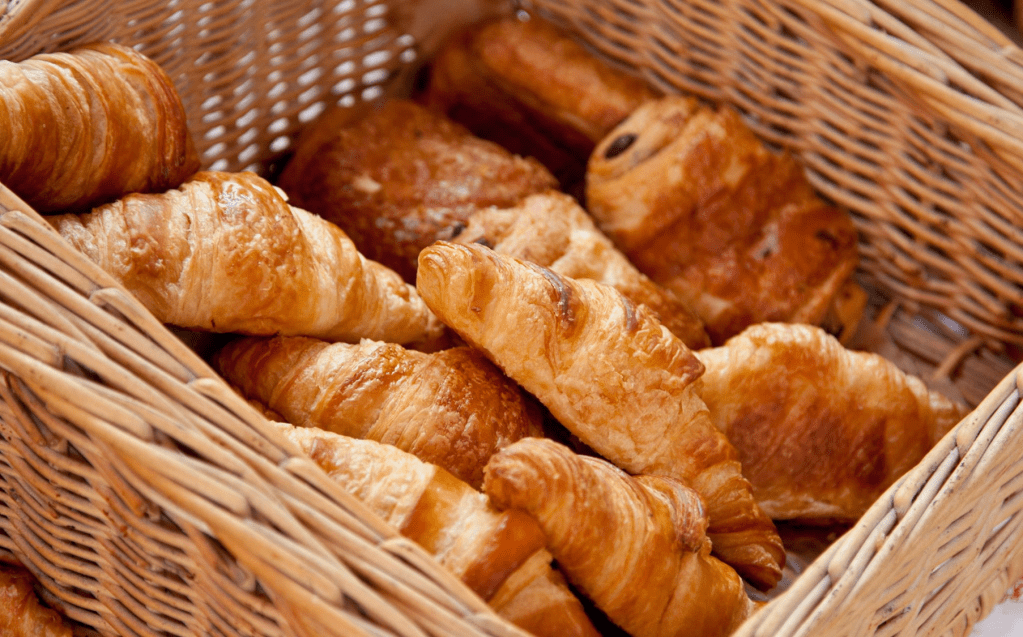
On Sunday morning, shortly after 8 a.m., I was at the bakery to buy bread. Next to me stood the little cashier, who has worked there for years and is always exceptionally kind. She even remembers my name and greets me by it. I really like her. On her tray was a cup – probably coffee –, a glass of water, and a paper bag where it was hard to say exactly what was inside. The bag wasn’t big, but it wasn’t small either. I thought this was the moment to give back her years of kindness. I told the cashier behind the counter that I would also pay for her breakfast. I turned to her and explained how nice I think she is and that I would like to pay for her breakfast today. She was embarrassed but said it was kind, but that she would pay for it herself. However, she didn’t say it in a tone that brooked no disagreement. I insisted, and she hesitated further. After several back-and-forth exchanges, she finally agreed. But how surprised was I when I heard the price I had to pay: 1.20 Swiss Francs. I couldn’t believe it. Maybe they gave me employee prices, and the staff didn’t have to pay for coffee. I asked if they had made a mistake with the price and if everything was okay, but I was assured that everything was correct. I was expecting more, around 10 francs or more.

I hope I managed to bring some joy with just 1.20 francs and give back a bit of kindness.

Wie machen wir eine bessere Welt


Ich habe das Gefühl, dass die Welt mindestens seit Corona ihre Nettigkeit verloren hat. Ich werde zwei Sekunden nachdem das grüne Licht erscheint angehupt, wenn ich nicht sofort losfahre.
Wenn ich einen Abstand zum Fahrzeug vor mir halte, der mir erlaubt, in jeder Situation rechtzeitig zu bremsen, passiert es mit eiserner Regelmässigkeit, dass sich in das Loch (wahrscheinlich als unangemessen gross wahrgenommen) ein anderes Fahrzeug hinein schiebt. Ein “Danke” oder “Bitte” und erst recht eine Entschuldigung sind im öffentlichen Raum so dünn gesät wie die rare Erde auf diesem Globus. Etwas Nettes zu hören, kommt so selten vor, dass man es sich für die Ewigkeit merkt. Als wäre die globale Situation nicht schon schwierig genug, machen wir uns gegenseitig das Leben schwer. Man ruft schnell aus, die Toleranzgrenze ist unter den Gefrierpunkt gesunken, und anstatt miteinander zu reden, mit ehrlichem Willen, die Probleme zu lösen, wird die Polizei eingeschaltet. Ein Beispiel: Wenn der Nachbar noch fünf Minuten nach 22 Uhr Lärm macht. Es wurden Juristen eingeschaltet und viel Geld ausgegeben (was nicht weiter schlimm ist, da die Rechtsschutzversicherung zahlt), wo man eigentlich diskutieren und nach dem kleinsten gemeinsamen Nenner suchen sollte.

Mich stört das zunehmend. Etwas zu ändern, erfordert den Einsatz vieler (wenn schon nicht aller) in einer dauerhaften Weise. Ich habe bei mir selbst angefangen. Meine E-Mails (fast alle) lässt jetzt die künstliche Intelligenz anpassen, macht sie besser und mich zu einem besseren Menschen. Der Ton wird weicher, die Sprache ausschweifender und netter. Die Botschaften werden in Watte gepackt. Das alles dauert nur ein paar Sekunden, und alle, die mich lange genug kennen, erkennen es sofort. Das ist sogar gewollt. Es liegt mir fern, mich mit falscher Feder zu schmücken. Der Effekt ist jedoch zweischneidig. Zum einen verlieren meine E-Mails an Authentizität. Das bin nicht mehr ich. Aber zum anderen – und das ist die Wahrheit – waren meine E-Mails nicht immer leicht zu verdauen. Ich bin eine direkte Person und mir ist bewusst, dass das nicht jedermanns Sache ist. Ich versuche, mich selbst zu bremsen, was mir wahrscheinlich nicht immer gelingt. Ab jetzt hoffe ich, dass meine E-Mails niemanden mehr verletzen können. Das ist schon etwas.

Ich habe bewusst angefangen, bei jedem Menschen das Positive, das Herausstechende, das, was auffällt, zu suchen. Ab und zu ist es harte Arbeit, es auf Anhieb zu finden, aber jeder hat etwas. Und das Hervorragende, Ausstechende benenne ich laut. Schlussendlich entspricht es der Wahrheit. So könnten alle zu ihrer täglichen Portion Nettigkeit kommen, ohne sich zu verstellen. Es ist, wie so oft, nur eine Willensfrage.

Am Sonntagmorgen, kurz nach 8 Uhr, war ich in der Bäckerei, um Brot zu kaufen. Neben mir, mit einem Tablett in der Hand, stand die kleine Verkäuferin, die dort schon seit Jahren arbeitet und immer ausgesprochen nett ist. Sie erinnert sich sogar an meinen Namen und grüsst mich mit Namen. Ich habe sie sehr gern. Auf ihrem Tablett stand eine Tasse – wahrscheinlich Kaffee –, ein Glas Wasser und ein Papiersack, bei dem es schwer war, zu sagen, was genau darin war. Der Sack war nicht gross, aber auch nicht klein. Ich dachte, jetzt ist der Zeitpunkt gekommen, ihr ihre jahrelange Nettigkeit zurückzugeben. Ich sagte zu der Kassiererin hinter dem Pult, dass ich das Brot und ihr Frühstück ebenfalls bezahlen werde. Ich drehte mich zu ihr und erklärte ihr, wie nett ich sie finde und dass ich gerne ihr Frühstück heute bezahlen möchte. Sie war verlegen, aber sagte, dass es nett sei, sie aber selber zahlt. Sie sagte es jedoch nicht in einem kategorischen Ton, der keinen Widerspruch duldete. Ich insistierte und sie zögerte weiter. Nach mehrmaligem Hin und Her willigte sie schliesslich ein. Wie gross war aber meine Überraschung, als ich den Preis hörte, den ich zahlen musste: 1,20 Franken. Ich verstand die Welt nicht mehr. Vielleicht haben sie mir Mitarbeiterpreise berechnet und für den Kaffee mussten die Mitarbeiter nichts zahlen. Ich fragte nach, ob sie sich im Preis geirrt haben und ob alles in Ordnung sei, aber es wurde mir bestätigt, dass alles stimmt. Ich war eher von 10 Franken und mehr ausgegangen.

Ich hoffe, dass ich es geschafft habe, auch mit nur 1,20 Franken Freude zu machen und ein bisschen Nettigkeit zurückzugeben

Czech Republic – interest on interest from withheld VAT deductions


In the tax periods of 2013 and 2014, many international companies faced significant challenges as tax authorities withheld large VAT refunds in the Czech Republic. They initiated the tax audits and controls over routine transactions and withheld funds for up to two years before completing audits and returning the money. Sometimes the withheld amounts were significant even for major multinational clients. This extended withholding often pushed companies towards financial distress, prompting them to seek compensation.

Development of Czech law
Initially, Czech legislation provided no compensation for these prolonged withholdings. However, many litigations followed as companies protested that if they owed money to the tax authorities, they would have to pay interest. Eventually, the Supreme administrative court acknowledged this argument and subjected the withheld deductions to an interest.

Groundbreaking Court Decision: Interest on Interest
Many court cases followed, during which the basis for calculating interest on the originally withheld funds by the tax authority continued to grow. The situation evolved dramatically in mid-2024 when a groundbreaking decision by the Constitutional Court finally acknowledged the concept of “interest on interest” in tax law. This significantly broadened the scope for claiming interest on withheld VAT deductions and opened the possibility to claim additional levels of interest – “second” and even “third” interest. The Constitutional Court confirmed that the interest, which was disputed and subsequently had to be repaid by the tax authority, “crystallized” into a new principal on the day of repayment, for which the subjects are entitled to compensation in the form of additional interest.

What does it mean for you

This is a specific issue within the Czech Republic, and here at PwC CZ, successfully helped to recover additional amount in interest on interest, originating from unjustified withholding of VAT deductions by the tax authorities. In case you faced this situation you should be exploring this opportunity for claiming additional compensation

For further details please contact : Michaela Vrana; Email: michaela.vrana@pwc.com

City Green Court | Hvězdova 1734/2c | 140 00 Prague 4 | Czech Republic

Boredom


From time to time, when my life gets too hectic, I wish for a few hours of boredom. As often happens, it’s a very platonic wish, one I don’t actually mean, because I find boredom awful.

I remember that my last experience with boredom was sometime in the summer when it rained non-stop for three weeks and we couldn’t play outside. I was a child back then, and there was no digital entertainment.

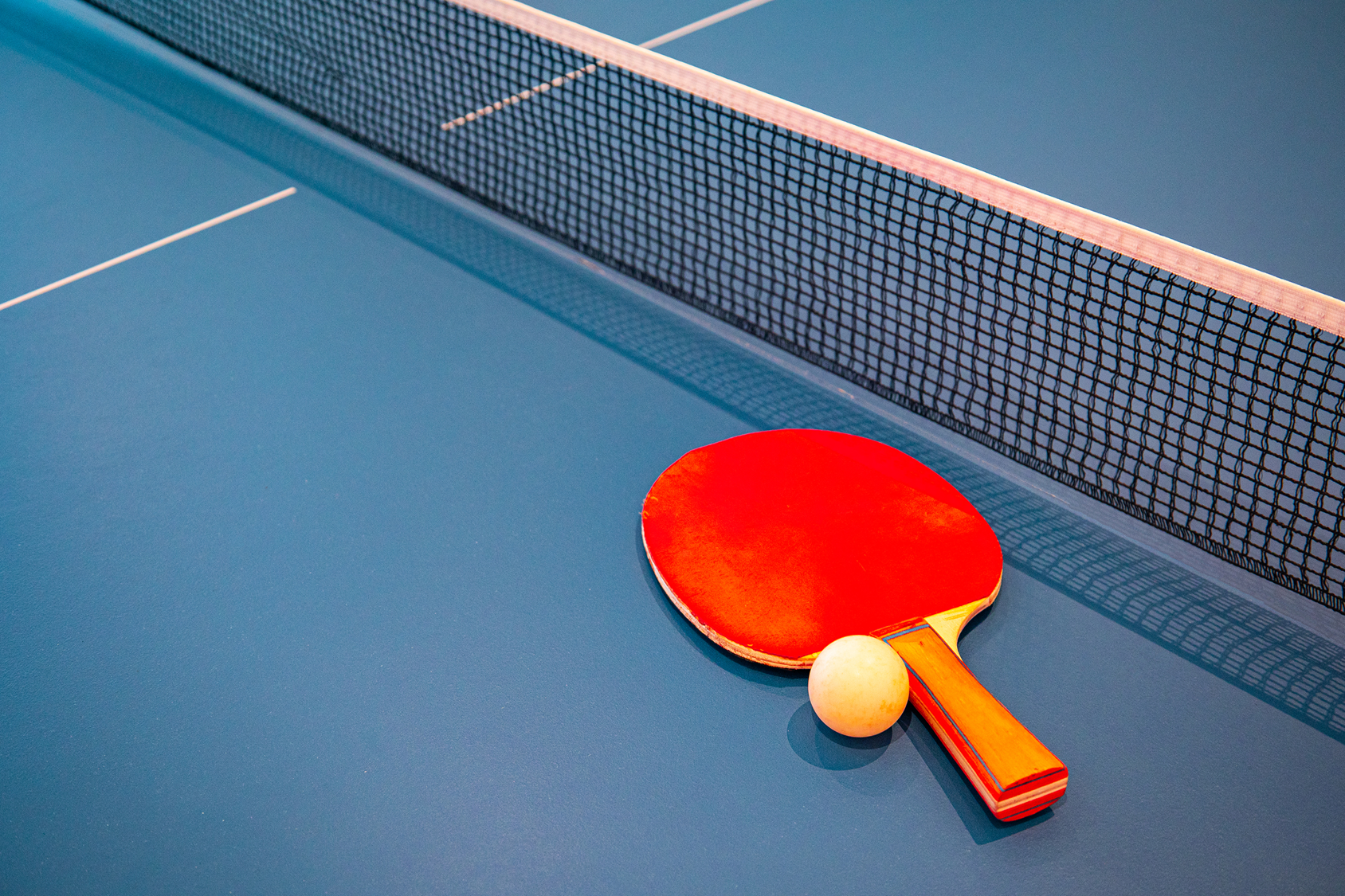
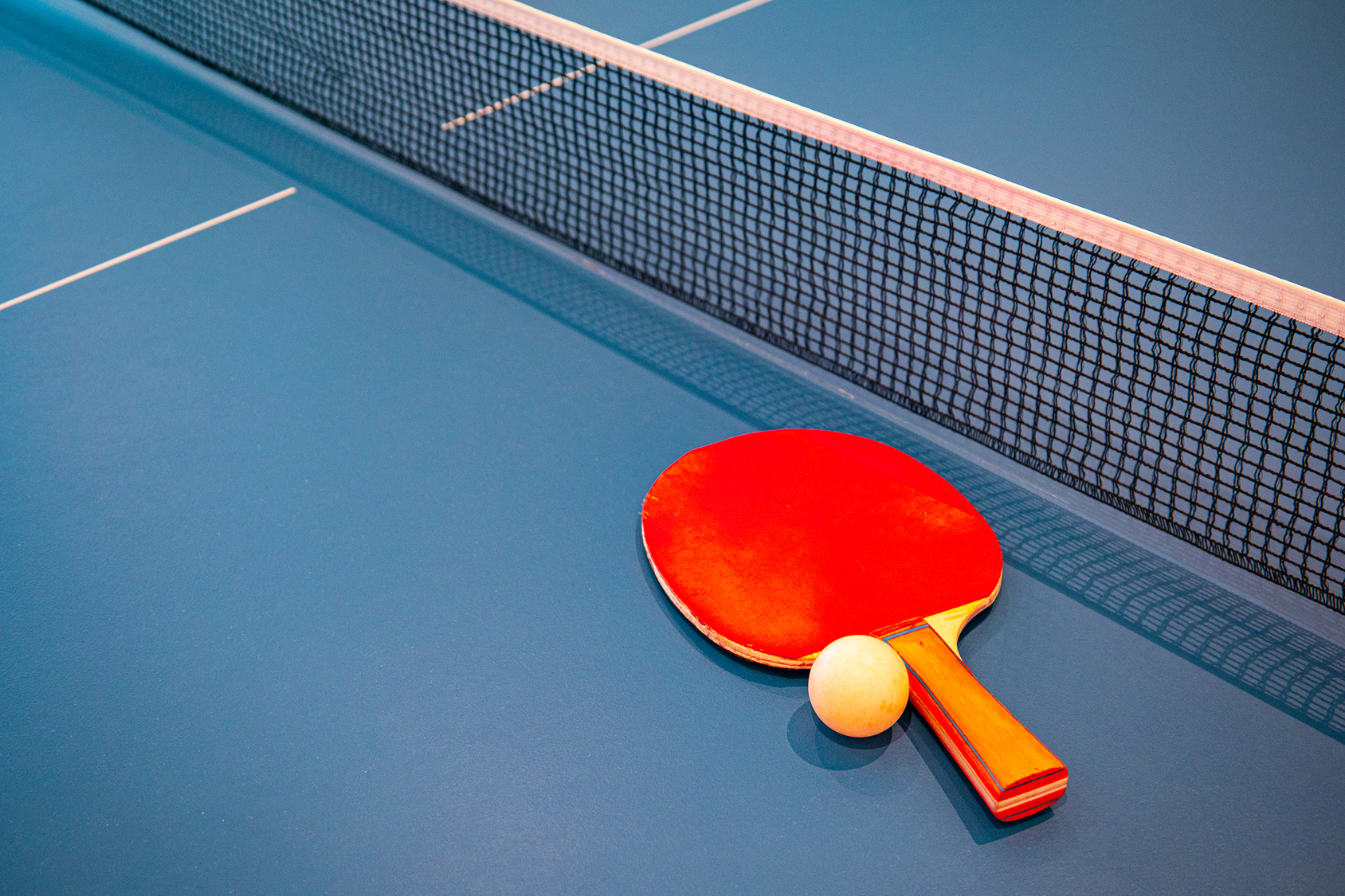
The rain didn’t bother me because we had built a makeshift table tennis table with the neighbor boys in our attic, with help from my father. It was made of two wooden planks that my father no longer needed, placed on a garden table and an old sewing machine. The wooden planks were shorter and narrower than a normal table tennis table, but that didn’t bother us. We felt like professionals in training camp. We played from morning until evening, interrupted only by breaks for lunch and dinner. We had no tutorial or guide on how to play the game; what we learned was through trial and error. My father explained the rules for scoring.

In that rainy summer, I learned to play table tennis decently. But on that one day, the neighbor boys had to go with their parents to visit their aunt, and I was left alone. I was bored, and I still remember that feeling of boredom to this day, even after decades. That was the last time. Since then, I’ve used the free time I have in many ways, and my problem is more the endless possibilities of what I could do – but unfortunately, they don’t fit into a day that only has 24 hours. For example, I wonder why my nightstand is still standing, even though it’s weighed down with all the unread books I absolutely have to read. Usually, when one book is taken away, two new ones come along. All these cultural offers almost drive me crazy because I keep discovering new things happening at the same time, and I have to choose. One could continue with examples like this for a long time.

However, I’ve realized that at some point in life, a phase will come where boredom, like in childhood, may return. My mother, a former math teacher, who is gradually losing her mobility but whose mind is as sharp as it was 20 years ago, begins to get bored in the winter when social contacts become sparse. Despite digital options and despite her ability to exchange ChatGPT for Perplexity, as a more researched and detailed AI. My mother, over 80, has no fear of the digital world and navigates it very skillfully. But the lack of social contacts and interaction with people in the flesh and blood, and especially their absence, makes her feel lonely and bored. Nevertheless, she manages to go to the library every week and borrow six new books, which she reads in one week.

I have been closely observing my mother for about ten years and want to know the details of her problems. Not that I could really help her – most of the time, she still helps herself and solves her problems with the help of digital assistants. But it’s selfish. If I’m lucky, I will have to deal with similar issues as she does. What’s coming my way? How can I prepare for it?

From all these observations, a clear solution comes to mind: a network. The bigger, the better. Ideally, one should continuously expand it, especially with age groups that differ significantly from one’s own. Because with my friends, boredom never strikes. Like last week, when we had arranged to meet for lunch, and by quarter past twelve, my friend still wasn’t there. When I called her to ask where she was, she told me that lunch was actually tomorrow, on Thursday. I had to convince her that today was already Thursday. But this can really only happen to someone who works from home, like she does. As a result, I got to meet the gentleman at the next table, whose guest was also late. Now, that’s not boredom.

Langeweile


Ab und zu, wenn mein Leben zu hektisch ist, wünsche ich mir ein paar Stunden Langeweile. Wie so oft ist es ein sehr platonischer Wunsch, den ich eigentlich gar nicht meine, weil Langeweile finde ich schrecklich.
Ich erinnere mich, dass meine letzte Langeweile irgendwann im Sommer lag, als es drei Wochen ununterbrochen geregnet hat und wir nicht draussen spielen konnten. Ich war damals ein Kind und digitale Unterhaltung gab es noch nicht.
Der Regen hat mir damals nichts ausgemacht, weil wir uns mit den Nachbarjungen auf unserem Dachboden einen provisorischen Tischtennistisch mit Hilfe meines Vaters gebaut hatten. Es waren zwei Holzplatten, die mein Vater nicht mehr brauchte, die auf einem Gartentisch und einer alten Nähmaschine befestigt waren. Diese Holzplatten waren kürzer und schmaler als ein normaler Tischtennistisch, aber das hat uns nicht gestört. Wir fühlten uns wie Profis im Trainingslager. Wir spielten von morgens bis abends, unterbrochen nur durch Pausen zum Mittagessen und Abendessen. Ein Tutorial oder eine Anleitung, wie man das Spiel spielt, hatten wir nicht, und was wir uns beigebracht hatten, war durch Versuch und Irrtum. Die Regeln, wie man Punkte zählt, hat uns mein Vater erklärt.

In diesem verregneten Sommer habe ich passabel Tischtennis gelernt. Doch ausgerechnet an diesem einen Tag mussten die Nachbarsjungen mit ihren Eltern zu ihrer Tante fahren, und ich blieb allein zurück. Es war mir langweilig, und an das Gefühl der Langeweile erinnere ich mich noch heute, nach Jahrzehnten. Das war das letzte Mal. Seitdem habe ich die entstandenen Freiräume vielfältig genutzt, und mein Problem sind eher die unendlichen Möglichkeiten, die man noch hätte – nur leider passen sie nicht in einen Tag, der nur 24 Stunden hat. Zum Beispiel wundere ich mich, dass mein Nachttisch immer noch steht, obwohl er schwer beladen ist mit all den ungelesenen Büchern, die ich unbedingt lesen möchte. Meistens, wenn eines der Bücher wegkommt, kommen zwei neue dazu. Alle diese kulturellen Angebote machen mich fast wahnsinnig, weil ich immer neue Dinge entdecke, die gleichzeitig stattfinden, und ich muss mich entscheiden. Man könnte die Beispiele noch lange fortsetzen.

Ich habe jedoch realisiert, dass irgendwann im Leben eine Phase kommt, in der die Langeweile, wie in der Kindheit, wieder zurückkehren kann. Meine Mutter, eine ehemalige Mathematiklehrerin, die nach und nach ihre Mobilität verliert, aber geistig so fit ist wie vor 20 Jahren, beginnt sich im Winter, wenn die sozialen Kontakte weniger werden, zu langweilen. Trotz digitaler Angebote und trotz ihrer Fähigkeit, ChatGPT gegen Perplexity auszutauschen, als KI mit mehr recherchierten Informationen und mehr Quellenangaben. Meine Mutter, über 80, hat keine Berührungsängste mit der digitalen Welt und bewegt sich dort sehr geschickt. Aber die sozialen Kontakte und der Austausch mit Menschen aus Fleisch und Blut, und insbesondere deren Fehlen, lassen sie sich einsam und auch gelangweilt fühlen. Dennoch schafft sie es jede Woche, in die Bibliothek zu gehen und sich sechs neue Bücher auszuleihen, die sie in einer Woche durchliest.

Ich beobachte meine Mutter seit etwa zehn Jahren genau und möchte über ihre Probleme im Detail Bescheid wissen. Nicht, dass ich ihr wirklich helfen könnte – meistens hilft sie sich immer noch selbst und löst ihre Probleme mit Hilfe digitaler Assistenten. Aber es ist eigennützig. Wenn ich Glück habe, werde ich mit ähnlichen Themen kämpfen müssen wie sie. Was kommt auf mich zu? Wie kann ich mich darauf vorbereiten?

Aus all meinen Beobachtungen kommt mir eigentlich eine klare Lösung: ein Netzwerk. Je grösser, desto besser. Am besten sollte man es kontinuierlich erweitern und dabei besonders auf Altersgruppen achten, die sich stark von der eigenen unterscheiden. Denn mit meinen Freundinnen kommt Langeweile nie auf. Wie letzte Woche, als wir zum Mittagessen verabredet waren und es viertel nach zwölf war, als meine Freundin noch nicht da war. Als ich sie anrief und fragte, wo sie steckt, sagte sie mir, dass das Mittagessen erst morgen, am Donnerstag, sei. Ich musste sie überzeugen, dass heute bereits Donnerstag ist. Aber das kann wirklich nur jemandem passieren, der im Homeoffice arbeitet wie sie. Dafür durfte ich den Herrn am Nebentisch kennenlernen, dessen Gast ebenfalls verspätet war. So sieht keine Langeweile aus.

Juristische/r Mitarbeiter/in (80-100%) Kanton Zug


Zu den Kernaufgaben der Steuerverwaltung des Kantons Zug zählen die Steuerveranlagung und der Steuerbezug. Wir unterstützen unsere Kundschaft mit raschen und leicht verständlichen Auskünften. Da sich die steuerpolitische Landschaft stetig verändert, ist eine auf Vertrauen basierende Zusammenarbeit mit Politik, Wirtschaft und Bevölkerung wichtig. Der Kanton Zug soll ein attraktiver Standort bleiben.


Read More »

Schweiz – Elektronische Plattformen


Die ESTV hat die neue MWST-Branchen-Info 27 Elektronische Plattformen veröffentlicht
Link: ESTV – MWST: Publikation zum Mehrwertsteuergesetz MWSTG

In Kürze folgt auch eine englische Version!

Swiss customs in 2025: from e-dec to Passar with SAP GTS


Wolfgang Baer

Wolfgang Baer

Senior Manager, Global Trade Automation, PwC Switzerland

Switzerland’s customs IT landscape is in the midst of a major transformation. The long-standing e-dec platform is giving way to Passar, the Federal Office for Customs and Border Security’s modernised system designed to streamline import, export and transit processes. At the same time, SAP Global Trade Services, SAP’s solution for industry to manage customs processes, free trade agreements, sanctions and export controls, is moving from SAP GTS 11 to SAP GTS Edition for HANA.

From e-dec to Passar

Passar is part of the larger DaziT initiative, which aims to digitise and simplify customs procedures across Switzerland. Although its rollout has experienced delays, the system promises faster declaration times, improved data quality and better collaboration between businesses and customs authorities. By early 2026, most core functions of e-dec should be replaced by Passar, making it essential for companies to prepare for this change.

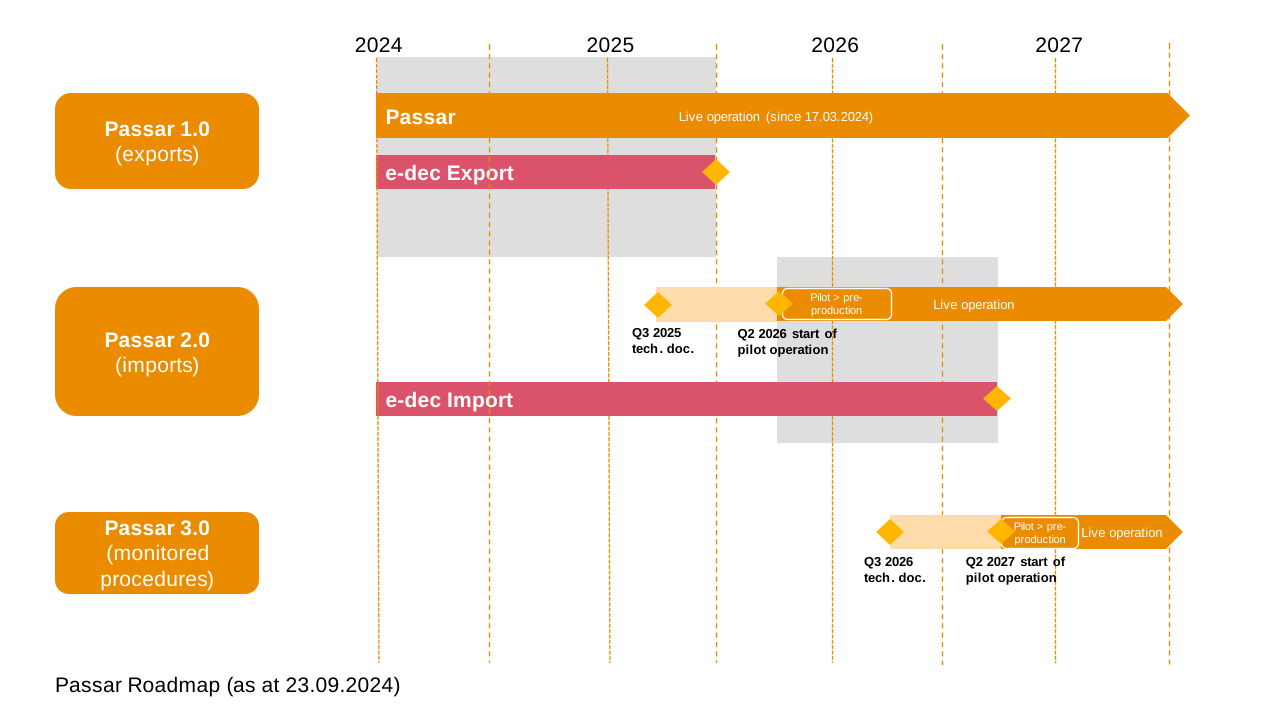
Passar 1.0 (exports) has been live since early 2024, and is mandatory for Swiss authorised consignors clearing their goods using NCTS Phase 5. As for the others, they have until the end of 2025 to upgrade, when e-dec Export will be decommissioned. As for Passar 2.0 (imports), a transition period from e-dec Import is predicted to last from Q2 2026 to Q1 2027 (one year).

Passar Roadmap

Source: Website of the Federal Office for Customs and Border Security (FOCBS)

The SAP GTS shift

While Swiss customs moves to Passar, SAP Global Trade Services (SAP GTS) is also at a pivotal juncture. SAP GTS 11 reaches end-of-maintenance on 31 December 2025, meaning no further updates or patches will be provided. Companies committed to SAP GTS are therefore adopting SAP GTS Edition for SAP HANA (SAP GTS e4H), either on-premise or in the cloud. This new edition aligns with a modern customs platform like Passar, offering real-time analytics, robust compliance checks and a more intuitive user experience using FIORI tiles.

Regarding Passar, major changes to the declaration procedure are confirmed by existing and published documentation from Swiss customs authority. The changes will require new process flows, new message definitions and a changed interface between SEEBURGER BIS and Passar. The interface for the message exchange with Passar will be web services.

Passar 1.0 for export in Switzerland with SAP GTS – status September 2024

Source: SAP Regulatory Change Manager

In order to be able to exchange messages with the Passar backend system via the B2B hub of Passar, the following requirements must be met:

  • creation of a user account in ePortal
  • registration of a business partner with a valid UID (Identification number) as well as activation
  • assignment of business partner roles
  • establishment of a B2B network connection between SAP GTS and Passar via the B2B Hub
  • application of required tokens

It is already possible to begin onboarding to the new customs platform Passar now. More detailed information about the onboarding procedure can be found in SAP note 3337375 (CH Passar: Onboarding for the technical communication of the new customs platform Passar).

The new web service-based interface between SAP GTS and SEEBURGER BIS established for NCTS will also be used for Passar Export. The IDoc interface will no longer be used for export in Switzerland after e-dec export is closed. This requires changes to the IT infrastructure to enable web service calls in both directions between SAP GTS and SEEBURGER BIS. Note 3318211 (Customs Message Exchange: Introduction of the Web service for communication between SAP GTS and converter for customs communication) provides the enhancements needed for the interface on SAP GTS side. On the SEEBURGER side, BIS 6.7 is required.

At present, it is recommended to upgrade to Support Package 4 for SAP GTS, edition for SAP HANA 2023 to support the new interface for Passar between SAP GTS and the converter. For SAP GTS, edition for SAP HANA 2020, Support Package 6 or SAP GTS 11.0 Support Package 23 are strongly recommended. Please check the availability matrix for the latest support package at the time of implementation: SAP Product availability matrix

It is planned to deliver SAP GTS-related changes via notes if possible. Currently, SAP’s planned delivery date for Passar 1.0 export is 31 July 2025.

DSAG and PwC actively support the transition

PwC is a member of the Deutschsprachige SAP Anwendergruppe e.V. (DSAG) and the new subject matter group GTS – PASSAR Schweiz – Export- und Importprozesse. This group supports all member companies in the move from e-dec to Passar. Regular online and physical meetings enable members to ask questions, be briefed on technical information about system connections, message execution and process variants, and share information from different sources to keep everybody up to date.

For more information, please contact us at PwC or reach out directly to DSAG.

Why timely action matters

Whether you plan to stay on SAP GTS 11 this year or migrate to SAP GTS Edition for HANA, providing you have not already done so, you now have a year to prepare yourself for Passar 1.0 (exports). The big decisions will revolve around the timeline of the roadmap for the evolution of the GTS platform to a HANA/ FIORI environment and its synchronisation with the upgrade from e-dec Export to Passar 1.0 (exports). These are strategic decisions with technical, human and financial requirements, and understanding these will enable you to make more optimal choices.

Conclusion

The transition from e-dec to Passar, coupled with the shift from SAP GTS 11 to SAP GTS e4H, marks a significant milestone in Swiss customs and global trade processes. Companies that take a proactive approach will position themselves for smoother declarations, stronger compliance and a future-ready trade setup. Now is the time to assess your current systems, plan your migrations and seize the opportunities brought by modern customs technology.

You can read more about this topic in our earlier blog: From risk to resilience: the transition to SAP GTS E4H 2023 and Passar