Swiss Romande seminar on VAT and customs


We are pleased to inform you that we are organizing the Swiss Romande seminar on VAT and customs for the third consecutive year.

For this edition, we have prepared a comprehensive program with speakers on various VAT and customs topics. We will also have the privilege of hosting a speaker from the State Secretariat for Economic Affairs, who will provide an overview of trends and experiences.

Date: Thursday, April 3rd
Time: 8:30 to 16:30
Location: Hotel Royal Savoy, Lausanne

For more information, we invite you to consult the agenda available in the link below.

https://www.pwc.ch/fr/evenements/seminaire-romand-tva-douane-2025.html

EU: Navigating the EU’s updated Rules of Origin for Preferential Trade Agreements


In the evolving landscape of international trade, the origin of goods is becoming increasingly significant. Recognising the importance of correctly applying preferential rules of origin, the European Union has recently released updated guidance on these rules, set to take effect in March 2025.

Comprehensive overview of list rules

One of the significant updates in the new guidance is the detailed overview of list rules. The list rules (also known as Product-Specific Rules of Origin, PSR) set out the working or processing that non-originating materials must undergo for the final product to obtain preferential originating status. These rules are essential for determining the origin of goods under different preferential trade agreements.

The guidance covers several critical aspects, such as wholly obtained requirements, change in tariff classification, value limits for non-originating materials, specific working or processing, or a combination of several rules. A correct understanding of these rules allows businesses to benefit from preferential origin and duty-free treatment. The guidance also elaborates on general and specific tolerance rules, particularly for textiles and textile articles. General tolerance rules explain how non-originating materials can be used within specified limits without affecting the originating status of the final product.

The use of non-originating materials that do not comply with the list rules for obtaining originating status is restricted to a certain percentage of the ex-works price or the weight of the final product. In the case of textiles, specific tolerance rules apply, and these rules are generally included in the introductory notes to the list of rules. This is crucial for industries that rely on a mix of originating and non-originating materials.

Ensuring compliance and facilitating trade

Verification processes and exporter statuses in the EU’s updated Rules of Origin

Furthermore, the updated guidance outlines the verification process to ensure the proper application of preferential tariff treatment. This includes procedures for verification requests sent by third countries to EU Member States and vice versa. It covers the verification of importer knowledge, ensuring that the claims made by importers regarding the origin of goods are accurate and verifiable.

The updated document also outlines the procedures and requirements for becoming an Approved Exporter or a Registered Exporter. These statuses allow for self-certification of the preferential origin of goods, facilitating trade under certain EU preferential arrangements.

Verification of proof of origin

Ensuring authenticity and compliance in the EU’s updated Rules of Origin

A detailed section on the verification of proof of origin has been included in the guidance. This section outlines the procedures for verifying the authenticity of documents and the originating status of goods. The verification process involves both documentary control and, where necessary, on-site visits to check the manufacturing process and confirm the preservation of originating materials.

Furthermore, this section addresses the processes for requests exchanged between EU Member States and third countries. It also provides clarifications on importer knowledge, allowing customs authorities to request additional information from importers to verify their claims based on their knowledge of the goods’ origin.

Updates and specific guidance for preferential trade agreements

Navigating the revised rules and their impact on trade

The document also contains updates and specific guidance for various preferential trade agreements, such as the EU-Canada Comprehensive Economic and Trade Agreement (CETA), EU-Japan Economic Partnership Agreement (EPA), EU-UK Trade and Cooperation Agreement (TCA), and others. Particularly important are references to the revised Pan-Euro-Mediterranean (PEM) Convention, which introduces updated rules of origin applicable on a bilateral basis.

The document provides detailed information on cumulation within the PEM system, including bilateral, diagonal, and full cumulation, as well as guidance on the transitional provisions concerning the shift towards the revised PEM Convention. Additionally, the guidance reflects revisions linked to the modernisation of the EU-Chile ITA, which entered into force on 1 February 2025. It includes explanatory notes to provide guidance on the interpretation and application of the rules of origin under the updated agreement.

The guidance also contains updated product-specific rules of origin and their impact on trade between the EU and Chile.

The updated guidance on the rules of origin for preferential trade agreements by the European Union is a significant step towards ensuring clarity and the proper application of these agreements. By providing a comprehensive overview of list rules, outlining the verification process, and detailing the verification of proof of origin, the EU aims to facilitate smoother and more transparent trade practices.

As these changes take effect in March 2025, businesses and customs authorities alike must familiarise themselves with the new guidelines to ensure compliance and fully benefit from preferential trade agreements. Once again, this demonstrates how important rules of origin and their correct application are.

How can PwC support you?

PwC offers comprehensive services to help businesses navigate the complexities of global trade. Our Swiss team of customs experts is ready to assist you with:

  • Preferential origin management and customs duty optimisation: We assist in managing preferential origin to benefit from reduced duty rates under various trade agreements and identify opportunities to reduce overall import costs.
  • Customs classification review: We support businesses in reviewing and ensuring the correct classification of goods according to Harmonised System (HS) codes, which are crucial for determining applicable duties and compliance with import regulations.
  • Customs valuation consulting: We provide expert advice on accurately valuing goods to ensure compliance with customs regulations, avoid penalties, and ensure smooth customs clearance.

Artificial Intelligence – my daily helper


I have become dependent on my little helper. This all happened gradually. Imagine you’re looking for a phone number of a local government and go to their website. After 5 minutes of frustrating, unsuccessful searching for the number, I give up. Either I’m too stupid to find the phone number, or it’s not listed on the website at all.

With Perplexity, my little AI helper, this never happens. I ask, “What is the phone number of the municipal administration?” and get a selection of phone numbers with names and descriptions of their functions within the administration. Where all this information comes from is not always clear, but in this area, my Perplexity has never hallucinated. Its results are much faster and much better than mine.

When I’m looking for a specialist, asking about their reputation and results, the outcome is usually very good. I just need to think more and ask the right questions. A question like “Who is the heart surgeon in country X with the lowest mortality rate during and after surgery?” doesn’t work. In the end, all patients eventually die after surgery, even if it’s due to aging.

I haven’t worried about foreign languages for a long time. The translation happens in seconds and is very good. For documents – like a notice of a bill from abroad in a foreign language – I just open the camera and read the translation on my phone.

Traveling has become child’s play because planning even very complicated trips with AI is quick and easy. I’ve thrown away all the old maps and travel guides because the electronic guide is faster and more up-to-date.

I don’t even unroll the leaflets with medication instructions anymore, and I don’t search for the correct language either. In the end, when I do manage to find the right language, the information spans five pages. And the only two sentences that interest me are hard to find. Even then, my Perplexity is much faster and provides source information. This way, if I have critical questions, I can check the original source directly through the link it gives me.

I’m a very direct person, and since I’m usually short on time, my emails are brief and to the point. Polite phrases are usually missing. Now, with Copilot, I’m a super polite person in seconds, with many “I hope you’re doing well today and have had a nice time”… Only after such a sentence can we gently approach the matter.

I could continue this catalog because artificial intelligence has gradually embedded itself in my life and daily routine. Yes, it increases my speed and efficiency. But everything has its price.

I first noticed it in terms of orientation. I – the scout – always knew where I was. I could also orient myself without a map and used many small helpers to find my way in unfamiliar areas. With the consistent use of navigation systems, whether in the car, cycling, or on foot, I’ve realized that I’m starting to lose that spatial orientation I once had. I rely on technology.

Progress cannot be stopped, and I’m learning a lot at the moment. But many of the skills that used to come naturally to me are beginning to crumble. It’s fascinating to observe this in myself. At the same time, it scares me because I’m a very independent person, and the idea that one day the technology might not work for some reason, and I can no longer rely on my old skills because they are gone, doesn’t feel very good.

Künstliche Intelligenz – meine tägliche Hilfe


Ich bin von meinem kleinen Helfer abgängig geworden. Das alles geschah schleichend. Stellt euch vor, ihr sucht eine Telefonnummer einer Gemeinde und geht auf ihre Website. Nach 5 Minuten frustrierend, erfolglosem suchen der Nummer, gebe ich auf. Entweder bin ich zu blöd, die Telefonnummer zu finden oder es ist auf der Website gar nicht aufgeführt.

Mit Perplexity, meinem kleinem KI-Helfer, passiert mir das nie. Ich frage «was ist die Nummer der Gemeindeverwaltung» und bekomme eine Auswahl an Telefonnummer mit Namen und Beschreibungen der Funktionen innerhalb der Verwaltung. Woher alle diese Informationen stammen, ist nicht immer ersichtlich, aber in diesem Bereich hat meine Perplexity noch nie halluziniert. Ihre Resultate sind viel schneller und dazu noch viel besser als meine.

Wenn ich einen Spezialisten suche, nach seiner Reputation und nach Resultaten frage, ist das Ergebnis meistens sehr gut. Ich muss einfach mehr überlegen und die richtigen Fragen finden. Eine Frage wie «wer ist der Herzchirurg im Land X mit der kleinsten Sterblichkeitsrate bei und nach der Operation» funktioniert es nicht. Schlussendlich sterben irgendwann nach der Operation alle Patienten, auch wenn es durch fortschreitende Alter ist.

Über fremde Sprachen zerbreche ich mir schon lange nicht den Kopf mehr. Die Übersetzung erfolgt in Sekunden und ist sehr gut. Bei den Dokumenten – wie zum Beispiel bei einer Mahnung, die aus dem Ausland in einer Fremdsprache kam, mache ich nur die Kamera auf und lese die Übersetzung auf dem Telefon.

Reisen ist zu einem Kinderspiel geworden, weil die Zusammenstellung auch sehr komplizierter Reisepläne mit KI schnell und einfach geht. Die alten Karten und Reiseführer habe ich alle im Altpapier entsorgt, weil die elektronische Anleitung schneller ist und dazu noch aktueller.

Beipackzettel bei Medikamenten rolle ich nicht mal auf, und nach der richtigen Sprache suche ich auch nicht. Schlussendlich – wenn es mir gelingt, die richtige Sprache zu finden – sind die Informationen über 5 Seiten lang. Und die einzigen zwei Sätze, die mich interessieren, lassen sich nur mühsam finden. Auch dabei ist meine Perplexity wesentlich schneller und gibt mir Angaben zu Quellen. So kann ich bei kritischen Fragen bei der Ursprungs Quelle selbst, über den Link, den sie mir angibt, nachschlagen.

Ich bin eine sehr direkte Person und da meistens meine Zeit knapp ist, sind meine Mails kurz und zur Sache. Höflichkeitsfloskel fehlen meistens. Jetzt, mit Copilot, bin ich in Sekunden schnelle ein superhöflicher Mensch mit vielen – «ich hoffe es geht dir heute gut und du hast eine schöne Zeit gehabt»……Erst nach so einem Satz, kann es sehr behutsam um die Sache gehen.

Ich konnte diesen Katalog fortsetzen, weil die künstliche Intelligenz sich unaufhaltsam in meinem Leben, in meinem Alltag, eingenistet hat. Ja, sie erhöht meine Geschwindigkeit und Effizienz. Aber alles hat seinen Preis.

Als erstes habe ich es bei der Orientierung festgestellt. Ich – die Pfadfinderin – habe immer gewusst, wo bin ich. Ich konnte mich auch ohne Karte orientieren und nutzte viele kleine Helfer, um auch in unbekannten Gegenden das Ziel zu finden. Mit dem konsequenten Benutzen von Navigationssystemen, ob im Auto, beim Velofahren oder zu Fuss, habe ich gemerkt, dass ich beginne, diese räumliche Orientierung wie ich sie früher hatte zu verlieren. Ich verlasse mich auf die Technik.

Fortschritt lässt sich nicht aufhalten und zurzeit lerne ich viel.  Aber viele von meinen Fertigkeiten, die früher wie selbstverständlich waren, beginnen zu bröckeln. Es ist schon spannend, es bei sich selbst zu beobachten. Gleichzeitig ängstigt es mich, weil ich ein sehr unabhängiger Mensch bin und die Vorstellung, dass eines Tages die Technologie aus irgendeinem Grund nicht funktioniert, und ich kann nicht mehr auf meine alten Fähigkeiten zurückgreifen, weil sie nicht mehr da sind, fühlt sich halt nicht wirklich gut an.

Béjart at his best


I have always been fascinated by football fans who were willing to take on long journeys to always be there when their team played. I may not be quite there yet, but I am getting closer to this behavior with big steps.

I am fascinated by the precision and perfection of the Béjart Ballet in Lausanne. One could say I was hooked years ago during the first performance I saw by them. At that time, Maurice Béjart, the founder of the group, was already dead. But the works he created, and those carried on by his successors — first Gil Roman and since 2024 by Julien Favreau (why only men?) — still carry breathtaking power.

The first piece that gave me goosebumps back then was Boléro (https://www.youtube.com/watch?v=hG8_k_eErmM). An absolute harmony between music and perfect human bodies, moving effortlessly to the rhythm of the escalating music, which almost made me dizzy. Of course, you can watch it on a screen, sitting at home, but the experience in a row close to the stage is simply incomparable. There’s so much to see on stage that you wish you could slow it down or rewind, to watch each movement in slow motion. But that’s not possible. Since the experience I have while watching in the theater is almost always the same, I’ve now become a commuter. Wherever the Béjart Ballet has a performance within reach, I follow them.

Last weekend, it was time again. The Béjart Ballet performed at the Musical Theater in Basel. Their incredible mix of classical ballet and modern dance forms, and the perfect choreography, once again provided me with an extraordinary experience. And those who don’t believe that ballet can be funny, witty, or even frightening, should watch the pieces Hamlet and Béjart et nous to convince themselves.

The commute to Basel was great, and the last piece of the performance was Boléro in its perfection. On Sunday, I wished it would never end, but as always, that wish never comes true. I am already looking forward to my next trip to admire the uniqueness of the Béjart Ballet.

Béjart at his best


Mich haben immer die Fussballfans fasziniert, die bereit waren etliche Reisewege auf sich zu nehmen, um immer dabei zu sein, wenn ihr Team spielt. Ich bin vielleicht noch nicht ganz so weit aber ich nähere mich diesem Verhalten mit grossen Schritten.

Ich bin von der Präzision und Perfektion des Béjart Balletts in Lausanne fasziniert. Man kann sagen, ich wurde vor Jahren bei der ersten Vorstellung, die ich von ihnen sah, angefixt. Da war Maurice Béjart, Gründer der Truppe schon tot. Aber die Werke, die er kreierte und die von seinen Nachfolgern – erst Gil Roman und seit 2024 von Julien Favreau (warum nur Männer?) – weitergeführt werden, haben eine atemberaubende Kraft.

Das Erste, was mir damals Gänsehaut beschert hatte, war das Stück Boléro (https://www.youtube.com/watch?v=hG8_k_eErmM). Ein absoluter Einklang zwischen Musik und perfekten menschlichen Körpern, die sich so mühelos im Rhythmus der sich steigernden Musik bewegen, dass mir fast schwindlig wird. Man kann es sicher am Bildschirm anschauen, sitzend zu Hause, aber das Erlebnis in einer Reihe nahe der Bühne ist einfach nicht vergleichbar. Es ist so viel auf der Bühne zu sehen, dass man sich wünscht, die Geschwindigkeit zu drosseln oder zurückzuspulen, sich die einzelnen Bewegungen im Slow-Modus anzuschauen. Das geht nicht. Und da das Erlebnis, das ich beim Zuschauen im Theater habe, fast immer das gleiche ist, bin ich jetzt auch zur Pendlerin geworden. Wo auch immer in erreichbarer Nähe die Béjart Truppe eine Vorführung hat, ich folge ihr.

Letzte Wochenende war es wieder so weit. Im Musical Theater Basel hat Béjart Ballett gastiert.  Ihre unglaubliche Mischung aus klassischem Ballett und modernen Tanzformen und die perfekte Choreografie, haben mir wieder ein Erlebnis der Extraklasse beschert. Und die, die nicht glauben, dass Ballett lustig und witzig sein kann, oder einen erschrecken kann, müssen die Stücke Hamlet und Béjart et nous sehen, um sich selbst zu überzeugen.

Das Pendeln nach Basel war toll, das letzte Stück der Vorführung war Boléro in seiner Vollkommenheit. Ich wünschte mir am Sonntag, dass es nie endet, aber wie immer geht dieser Wunsch nie in Erfüllung. Ich freue mich jetzt schon an die nächste Reise, um die Einzigartigkeit der Béjart Balletts zu bewundern.

Small Theft


Jan had been convinced since his childhood that he was destined for bigger things. He had heard it regularly as a mantra from his father. His father had pushed him hard. In high school, Jan managed to secure one of the coveted study exchange spots in the USA. Not that he liked it better in the USA than at home. He had some homesickness, and in class, he didn’t really feel accepted. However, after returning, he was able to shine with his English, and that year was invaluable on his resume. He studied law. After that came lean years with the bar exam, another trip to the USA for an LLM, and a doctoral dissertation. His father had insisted on it and financed it. At a time when his peers already had cars and were going on great vacations, Jan had to struggle financially. Earning his own money at his first law firm was a real relief for him. Finally, he was independent from his father. He was almost 30 years old and expected a cosmic start and a fairytale career. The reality, however, looked different: miserable long hours, and always working on weekends. To reach the top, he needed to be better than all the other internal applicants, and there were not a few.

After seven years, Jan realized that he would never make it in this law firm and decided to look for another one that would better appreciate his skills. He wanted to jump straight to the top. He was no longer willing to spend more years “proving himself.” It was tough, but he managed it. Finally, he was where he belonged. Finally, his father could be proud of him. But the results didn’t come as expected. He was rather unpopular among the employees and had fallen out with his colleagues. After a while, they suggested he leave the firm. Jan twisted the truth a bit and told his father the same story. He was too good for that firm, and they didn’t want to follow his standards. He had resigned himself to avoid damaging his reputation. His father believed him. Jan looked for a position at a large corporation’s legal department; he had had enough of law firms. It was a long search. Finally, he was able to start as the head of the legal department. His resume was excellent, and his experience was top-notch. Unfortunately, his dealings with people were a growing source of complaints. After just under two years, Jan was advised to look for another job. For Jan, this was bitter, but once again, he never considered for a second that the problem could lie with him and his personality. It was always the others who couldn’t appreciate his abilities.

He found a job with a canton. He was no longer the boss but an employee. He had to take a noticeable step back in salary. He went to a 50th birthday party. His father had passed away some time ago. For Jan, the death of his father was a dramatic emotional loss. After all, it was his father who had believed in him the most. Jan felt hurt, not taken seriously, and not appreciated enough. On Saturday, he was in town buying a new shirt. When he came to his car, there was a Ferrari parked next to him. The Ferrari was parked so poorly that he could barely open the driver’s door—maybe just a crack, but he couldn’t force himself in through that. He had to climb into the car like a thief through the passenger door and struggle to squeeze over the seat into the driver’s seat. Jan was angry at the world, at the rich, to whom he would never belong, and at all the successful people. He rolled down the window, took the Swiss Army knife from the glove compartment, and scratched a long line on the side of the Ferrari. A good feeling spread in his chest. Now he had shown the unknown Ferrari driver. Jan started his car and drove away with a great inner feeling.

Jan began to see himself as Robin Hood. He punished those he saw as “bad” and rewarded himself. This also included small thefts. Nothing of great value. Jan’s feeling that the world owed him something and that he was now taking it back gave him a sense of satisfaction. That was Jan’s motivation.

Jan was caught at his workplace after a long period of observation when he was caught again taking bread rolls without paying for them. Jan tried to talk his way out of it, but his boss asked him to pack his things immediately and leave the office. Jan is now unemployed and bitter. He still doesn’t understand why this happened.

Kleiner Diebstahl


Jan war seit seiner Kindheit überzeugt, dass er für grössere Dinge bestimmt ist. Von seinem Vater hatte er es regelmässig als Mantra gehört. Sein Vater hatte ihn stark gefordert. Auf dem Gymnasium hatte Jan es geschafft, sich einen der begehrten Austauschplätze für ein Studium in den USA zu ergattern. Nicht, dass es ihm in den USA besser gefallen hätte als zu Hause. Er hatte ein bisschen Heimweh, und in der Klasse fühlte er sich nicht wirklich akzeptiert. Nach seiner Rückkehr konnte er aber mit seinem Englisch glänzen, und im Lebenslauf war das Jahr unbezahlbar. Er studierte Jura. Danach kamen magere Jahre mit dem Anwaltspatent, ein weiteres Mal USA für ein LLM und eine Doktorarbeit. Sein Vater hatte darauf bestanden und es finanziert. In einer Zeit, in der gleichaltrige Freunde längst Autos hatten und tolle Ferienreisen machten, musste Jan finanziell durchhalten. Das eigene Geld bei seiner ersten Anwaltskanzlei war für ihn eine wirkliche Erleichterung. Endlich von seinem Vater unabhängig. Er war fast 30 Jahre alt und erwartete einen kosmischen Start und eine Bilderbuchkarriere. Die Realität sah anders aus: elend lange Stunden und immer wieder Arbeit auch am Wochenende. Um an die Spitze zu gelangen, brauchte es mehr als alle anderen internen Bewerber, und das waren nicht wenige.

Nach sieben Jahren realisierte Jan, dass er in dieser Kanzlei nie weiterkommen würde, und entschloss sich, nach einer anderen Kanzlei zu suchen, die besser seine Fähigkeiten würdigen würde. Er wollte quer in die Spitze einsteigen können. Er hatte keine Lust mehr auf weitere Jahre, in denen er „sich beweisen“ musste. Es war zäh, aber es gelang ihm. Endlich war er dort, wo er hingehörte. Endlich konnte sein Vater stolz auf ihn sein. Doch die Ergebnisse kamen nicht so, wie erwartet. Bei den Mitarbeitern war er eher unbeliebt, und mit den Kollegen hatte er sich verkracht. Nach einer Weile legten sie ihm nahe, die Kanzlei zu verlassen. Jan hatte die Wahrheit ein wenig verzerrt und es auch seinem Vater so erzählt. Er sei für diese Kanzlei zu gut gewesen, und sie wollten seinen Standards nicht folgen. Er habe selber gekündigt, um seine Reputation nicht zu beschädigen. Sein Vater glaubte ihm. Jan suchte eine Stelle bei einer grossen Gesellschaft in der Rechtsabteilung; er hatte genug von Kanzleien. Es war eine lange Suche. Schliesslich konnte er als Leiter der Rechtsabteilung anfangen. Sein Lebenslauf war hervorragend, seine Erfahrung erstklassig. Leider war sein Umgang mit den Menschen jedoch immer mehr Quelle zunehmender Beschwerden. Nach knapp zwei Jahren legte man Jan nahe, sich eine andere Stelle zu suchen. Für Jan war das bitter, aber auch diesmal dachte er keine Sekunde darüber nach, dass es mit ihm selbst und seiner Persönlichkeit zu tun haben könnte. Es waren wieder die anderen, die nicht in der Lage waren, seine Fähigkeiten zu würdigen.

Er fand eine Stelle im Kanton. Er war nicht mehr der Chef, sondern ein Mitarbeiter. Beim Lohn musste er einen spürbaren Rückschritt hinnehmen. Er ging zum 50. Geburtstag. Sein Vater war vor einiger Zeit gestorben. Für Jan war der Tod seines Vaters ein dramatischer emotionaler Verlust. Schlussendlich war sein Vater derjenige, der am meisten an ihn geglaubt hatte. Jan fühlte sich gekränkt, nicht ernst genommen und nicht genug wertgeschätzt. Am Samstag war er in der Stadt, um ein neues Hemd zu kaufen. Als er zu seinem Auto kam, stand neben ihm ein Ferrari. Der Ferrari parkte so ungünstig, dass er die Fahrertür kaum öffnen konnte – vielleicht einen Spalt breit, aber durch diesen konnte er sich niemals hineinzwingen. Er musste wie ein Dieb durch die Beifahrertür einsteigen und sich mühsam über den Sitz auf den Fahrersitz quetschen. Jan war wütend auf die Welt, auf die Reichen, zu denen er nie gehören würde, und auf alle Erfolgreichen. Er öffnete das Fenster, nahm das Schweizer Messer aus dem Auto-Fach und fügte dem Ferrari einen langen Kratzer auf der Seite zu. Ein gutes Gefühl breitete sich in seiner Brust aus. Jetzt hatte er es dem unbekannten Ferrari-Fahrer gezeigt. Jan startete sein Fahrzeug und fuhr mit einem hervorragenden inneren Gefühl davon.

Jan begann, sich als Robin Hood zu verstehen. Die in seinen Augen „Bösen“ bestrafte er, und sich selbst belohnte er. Dazu gehörten auch kleine Diebstähle. Nichts von grossem Wert. Jans Gefühl, dass die Welt ihm etwas schuldet und er es sich jetzt zurücknehmen würde, war ein gutes Gefühl. Das war Jans Antrieb.

Jan wurde an seiner Arbeitsstelle nach längerer Beobachtung erwischt, als er zum x-ten Mal für seine Brötchen keinen Betrag in die Kasse legte. Jan versuchte sich rauszureden, aber sein Chef bat ihn, seine Sachen sofort zu packen und das Büro zu verlassen. Jan ist heute arbeitslos und bitter. Warum das so ist, versteht er immer noch nicht.

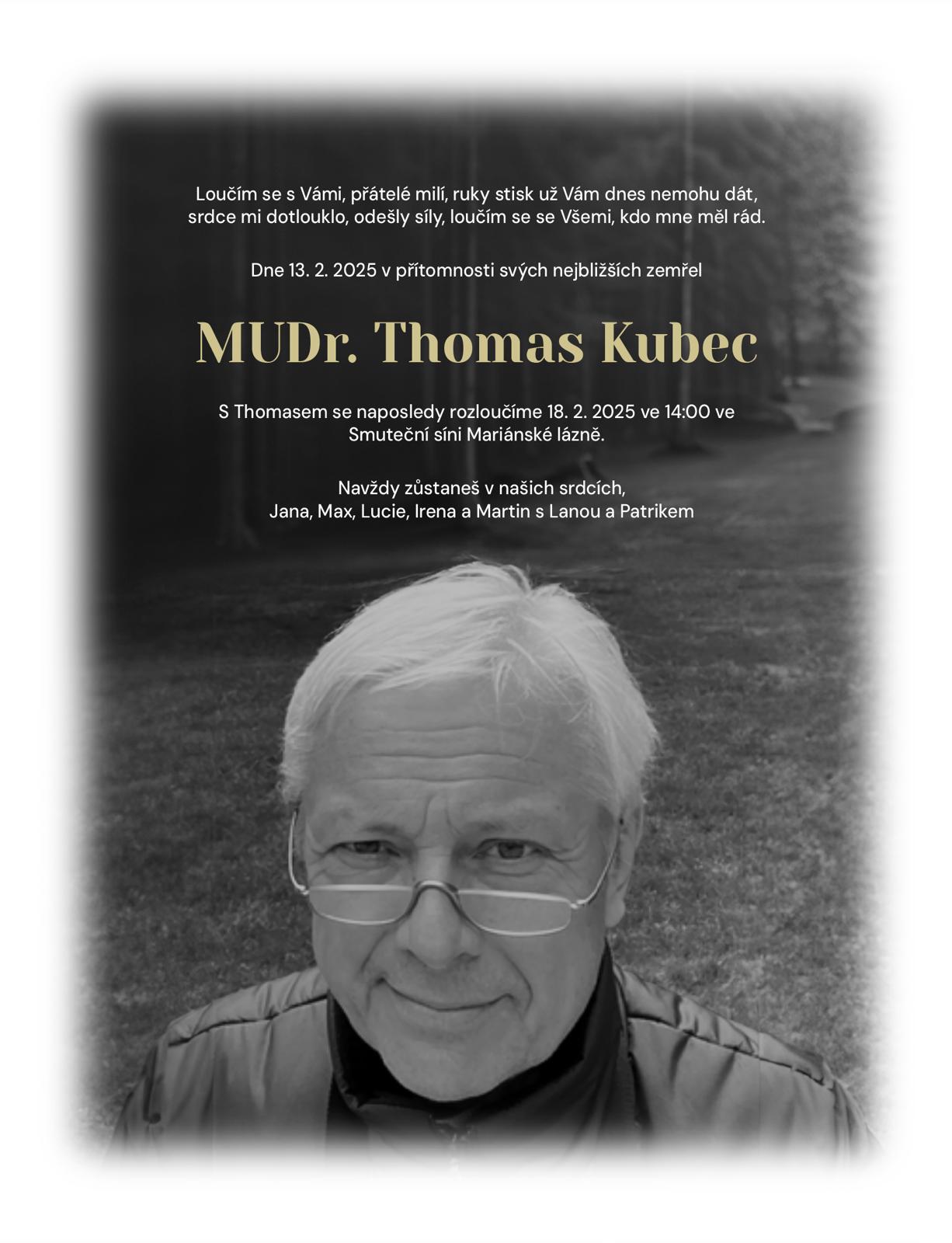
The neighbour has passed away


Just a few days ago, I spoke with him, was running through the forest with his dog. Not too long ago, I was sitting at the table with my youngest, with him and his wife, eating and having wine. Now he is gone. Rationally, I understand it, but emotionally it is very hard to accept that I will never see him again.

I knew him the way you know a good neighbor. I heard his life story, followed the developments in his family, observed his perfectionism during the building of his house, and asked for his help when I was short of a man around the house. For example, I couldn’t open the cap of the AdBlue tank on my car. To him, it was a trivial matter.

Since last year, we’ve known that he had only weeks, maybe days left. But that doesn’t mean you can truly prepare for the day when he’s no longer here.

We have outsourced death. Although most people wish to die at home, only a fraction of our society manages to do so. The neighbor succeeded, thanks to the training, experience, and the endless work of his wife – a nurse with intensive care experience. During this time, she lost almost 10 kilos. Death is no longer natural in our society. We see and hear about it multiple times a day in the news, but it’s like watching a film. Far away, not real. Death has become sterile in our society, and it seems as though it doesn’t affect us personally.

I remember traveling in eastern Slovakia and being amazed at how differently death is approached. Wallets would reveal photos of the deceased, who looked like they were sleeping, proudly displayed in beautiful surroundings. I know how they used to keep vigil over the dead, who very often died at home. I still remember the farewell rituals. But perhaps this also has to do with our lack of faith. If there’s nothing after death, then death is tragic because everything ends in an instant. If you believe that the soul moves to another (and perhaps much better) world, it’s easier to let go, because it’s possible to see them again.

The cemeteries in Europe are beginning to empty. As far as I know, the neighbor didn’t want to be buried in a cemetery either. I discussed the subject with my parents and know where they want to be buried. As for me, I can’t yet give a final answer to this question. However, I can’t fulfill my mother’s wish to be buried in her grave alongside her. I too now find cemeteries confining, although I like to visit them wherever I am. I love thinking about the people that I don’t know and their stories. I love the peace and tranquility of the place. I’m glad to be confronted with my own finiteness there and to reflect on what is worth spending time on this Earth for and what, because of this finiteness, is a waste of time.

The neighbor has passed away. I will miss him. He always helped wherever he could. I wish him good luck on his next journey. I wish his wife a lot of strength for the time without him.

Der Nachbar ist gestorben


Noch vor ein paar Tagen habe ich mit ihm gesprochen, war mit seinem Hund im Wald rennen. Vor nicht allzu langer Zeit, sass ich mit meinem Jüngsten, mit ihm und seiner Frau an ihrem Tisch, haben gesessen und Wein getrunken. Jetzt ist er tot. Rational verstehe ich es, emotional ist sehr schwierig zu akzeptieren, dass ich ihn nie mehr treffen werde.

Ich habe ihn so gekannt, wie man einen guten Nachbarn kennt. Seine Lebensgeschichte gehört, die Entwicklungen in der Familie mitgekriegt, seinen Perfektionismus beim Bau des Hauses beobachtet, ihn um Hilfe gebeten, wenn mir ein Mann in Haus fehlte. Zum Beispiel konnte ich den Deckel vom AdBlue Tank am Auto nicht öffnen. Für ihn eine Wahre Banalität.

Wir haben seit dem letzten Jahr gewusst, dass er nur noch Wochen, vielleicht Tage hat. Das bedeutet aber nicht, dass man sich wirklich auf den Tag vorbereiten kann, wenn er nicht mehr da ist.

Wir haben den Tod ausgelagert. Obwohl die Mehrheit von uns sich wünscht, zu Hause zu sterben, nur einem Bruchteil unsere Gesellschaft gelingt es. Dem Nachbarn ist es dank der Ausbildung, Erfahrung und unendlicher Arbeit seiner Frau – eine Krankenschwester mit Intensivstation Erfahrung – gelungen. Sie hat in der Zeit fast 10 Kilo abgenommen. Der Tod ist in unsere Gesellschaft nicht mehr natürlich. Wir sehen und hören den Tod mehrmals täglich in den Nachrichten, aber es ist wie ein Film, den man anschaut. Weit Weg und nicht real. Der Tod ist in unsere Gesellschaft steril geworden, und macht den Eindruck, einen persönlich nicht zu betreffen.

Ich mag mich erinnern, wie ich in der östlichen Slowakei unterwegs war und wie ich gestaunt hatte, wie anders man mit dem Tod umgehen kann. Aus Portemonnaies wurden Fotos von Verstorbenen hergezaubert, die wie Schlafende aussahen und in schöner Umgebung mit Stolz präsentiert wurden. Ich weiss, wie man dort bei den Toten, die sehr oft zu Hause starben, Wache gehalten hatte. Ich mag mich heute noch an die Verabschiedungsrituale erinnern. Aber vielleicht hat es auch mit unserem fehlenden Glauben zu tun. Wenn es nach dem Tod Nichts gibt, ist der Tod etwas Tragisches, weil Alles auf einen Schlag endet. Wenn der Glaube da ist, dass die Seele sich in eine andere (und vielleicht noch wesentlich bessere) Welt begibt, kann man einfacher loslassen, da eine Begegnung wieder möglich ist.

Die Friedhöfe in Europa beginnen sich zu leeren. Soweit ich weiss, wollte der Nachbar auch nicht auf einem Friedhof beerdigt werden. Ich habe das Thema mit meinen Eltern besprochen und weiss, wo sie beerdigt sein wollen. Für mich kann ich die Frage noch nicht abschliessend beantworten. Dem Wunsch meiner Mutter, zusammen mit ihr in ihrem Grab beerdigt zu sein, kann ich aber nicht entsprechen. Auch ich finde mittlerweile die Friedhöfe als beengend, obwohl ich sie, egal wo ich bin, gerne besuche. Ich liebe es, über die Leute und ihre mir unbekannten Geschichten nachzudenken. Ich liebe die Ruhe und den Frieden des Ortes. Ich bin froh, dort mit meiner Endlichkeit konfrontiert zu werden und darüber nachzudenken, wofür es sich lohnt Zeit auf dieser Erde zu verwenden und worum es durch diese Endlichkeit Schade um Zeit ist.

Der Nachbar ist gestorben. Ich werde ihn vermissen. Er hat immer geholfen, wo er helfen konnte. Auf seine nächste Reise wünsche ihm gutes Gelingen. Seiner Frau wünsche ich viel Kraft für die Zeit ohne ihn..